Alcohol and Testosterone Levels: What’s the Link?

Jump to
It’s no secret that drinking alcohol in excess can negatively impact your health. From liver damage to weight gain, alcohol can wreak havoc on your body. But one lesser-known effect is the toll it takes on your hormones—specifically testosterone.
If you’re looking to optimize your health and performance, understanding the connection between alcohol and testosterone levels is crucial. So, what’s the link, and how can you protect your testosterone? Let’s dive in.
Does Alcohol Affect Testosterone Levels?
Yes, alcohol affects testosterone levels—and not in a good way.
Drinking alcohol, especially in excess, interferes with the body’s ability to produce testosterone. Testosterone is primarily produced in the testes, but heavy alcohol consumption can impair this process by impacting the brain and liver, which play supporting roles in hormone regulation.
When you drink, your liver focuses on processing the alcohol, putting other important functions on the back burner, including hormone metabolism. This can lead to a decrease in testosterone production.
Your brain also takes a hit, particularly the hypothalamus and pituitary gland, which control the release of hormones essential for testosterone production. To sum it up, alcohol throws your hormone production off balance, leading to a drop in your testosterone levels.
What Happens When Testosterone Levels Drop?
When your testosterone levels drop, both your short-term and long-term health can be impacted. Testosterone is responsible for more than just libido—it plays a key role in maintaining muscle mass, bone density, and overall energy levels. Here’s a closer look.
- Short-Term Effects: After a night of heavy drinking, testosterone levels can temporarily drop. This can lead to issues like reduced sexual performance or temporary erectile dysfunction (ED). You might also experience a drop in energy, motivation, and even mood.
- Long-Term Effects: Chronic alcohol consumption can have a more severe impact on testosterone levels, leading to long-term health issues such as erectile dysfunction, infertility, muscle loss, weight gain, and cognitive decline.
The bottom line? Drinking too much alcohol over time can lead to significant declines in testosterone, affecting both your physical and mental health.
What Are the Symptoms of Low Testosterone?
https://www.youtube.com/watch?v=bYr1JY0NmdM
Low testosterone levels can manifest in lots of ways. Here are some key symptoms to watch for if you suspect your T levels are dropping:
- Low sex drive
- Erectile dysfunction
- Fatigue and low energy levels
- Loss of muscle mass
- Increased body fat
- Mood swings or depression
- Difficulty concentrating or brain fog
- Hair loss
- Decreased bone density
If you’re experiencing any of these symptoms, we recommend getting your testosterone levels checked by a healthcare provider—especially if you drink alcohol frequently.
How Long After Quitting Alcohol Do My Levels Go Back to Normal?
Now, for the good news! Your T levels can recover once you reduce or eliminate your alcohol consumption. How long this takes varies from person to person, depending on factors like age, overall health, and the duration of heavy drinking.
For some men, testosterone levels start to bounce back within a few weeks of quitting alcohol. For others, it may take months for testosterone to fully normalize. The key is to maintain a healthy lifestyle to support your body’s recovery process.
If your testosterone levels stay low even after reducing your alcohol intake, it may be time to explore other solutions.
How Can I Increase My Testosterone Levels?
If you’re feeling the effects of low testosterone, you might be wondering what you can do to boost those levels and start feeling better. Luckily, there are natural ways to increase your testosterone levels.
Incorporating these habits can help you maintain healthy T levels over time:
- Exercise regularly – Strength training and high-intensity interval training (HIIT) are particularly effective.
- Get enough sleep – Aim for 7-8 hours of quality sleep per night to support hormone production.
- Eat a balanced diet – Focus on whole foods, healthy fats, and lean proteins to give your body the nutrients it needs.
- Manage stress – Chronic stress can lead to increased cortisol, which can suppress testosterone production.
While these methods can be effective, sometimes they aren’t enough—especially if your testosterone levels are severely low.
That’s where testosterone replacement therapy (TRT) comes in as a great option for quicker, surefire results.
How Does Testosterone Therapy Work?

Testosterone replacement therapy (TRT) is designed to give you a hand when your body’s natural levels aren’t where they need to be. If your body isn’t producing enough testosterone on its own, TRT steps in by giving you just the right amount of the hormone to bring things back into balance.
The result? You start feeling more like yourself again—with more energy, stronger muscles, a boosted libido, and an overall sense of well-being. It’s a simple yet powerful way to get your health back on track.
At Victory Men’s Health, we offer several TRT options tailored to your specific needs, helping you regain your energy, strength, and vitality. Here’s a look at the TRT options we offer:
- Injections – One of the most popular methods, TRT injections provide a steady dose of testosterone through intramuscular injections for quick absorption into the bloodstream. Injections are usually administered weekly, or more frequently depending on your needs.
- Topical Creams – For men who prefer a non-invasive option, testosterone creams are applied to the skin daily and absorbed into the bloodstream.
- Pellet Therapy – Tiny pellets are inserted under the skin in the buttocks region and release testosterone gradually over time. This option requires fewer visits to the clinic and provides a steady hormone level for four to six months.
Questions Our Patients Ask About Alcohol and Testosterone Levels
Does occasional drinking lower testosterone?
If you enjoy an occasional drink, there’s no need to worry too much. Moderate alcohol consumption, like a glass of wine or a beer here and there, won’t cause a significant drop in your testosterone levels. It’s when drinking becomes excessive or chronic that you’re likely to see a more noticeable impact on your hormones.
Does beer affect testosterone more than other types of alcohol?
While beer has been rumored to lower testosterone more than other types of alcohol due to its plant-based estrogen compounds (phytoestrogens), the difference is minimal.
All types of alcohol can impact testosterone when consumed in excess. The key factor is how much you’re drinking, not necessarily what you’re drinking.
How do I know if my testosterone levels are low because of alcohol?
If you’ve been drinking heavily and are noticing symptoms like low energy, reduced sex drive, or difficulty building muscle, alcohol could be affecting your testosterone levels.
The best way to know for sure is to get your testosterone checked. Our team can assess your hormone levels and help you determine the next steps for getting back on track.
Start Your Journey to Better Health
If you’ve been drinking heavily and noticed symptoms of low testosterone, you don’t have to live with the consequences. Our care providers are specialized in men’s health and can help you get your hormone levels back on track. Don’t wait until your symptoms worsen—find out now if TRT is the right option for you.
Let’s work together to restore your health, energy, and confidence. Contact us today to book a consultation and take the first step toward a healthier you!

Related Resources

What Big Pharma Companies Don’t Want You To Know About TRT
Why Most Testosterone Gels Don’t Work (& What Makes Transcrotal Cream Different)

FDA Testosterone Panel: Are We Finally Done With Fear-Based TRT Policy?
Oral Testosterone: How Kyzatrex Compares to Injections and Gels

HCG on TRT for Fertility: The Key to Keeping Your Options Open

Can Low Testosterone Cause Hair Loss? Here’s What to Know

TRT Risk 101: The Trouble With Using TRT as a Shortcut

12 Foods That Increase Testosterone Naturally

You Don’t Need an Aromatase Inhibitor on TRT, Here’s Why

Enclomiphene for Low Testosterone: Does It Work?

Should You Supplement with DHEA? Here’s What to Know

Zinc Benefits for Men: Testosterone, Prostate Health & More
Free vs. Total Testosterone: What to Know & Why It Matters

When to Take Magnesium Glycinate for the Best Results
At Home Testosterone Tests: Do They Really Work?
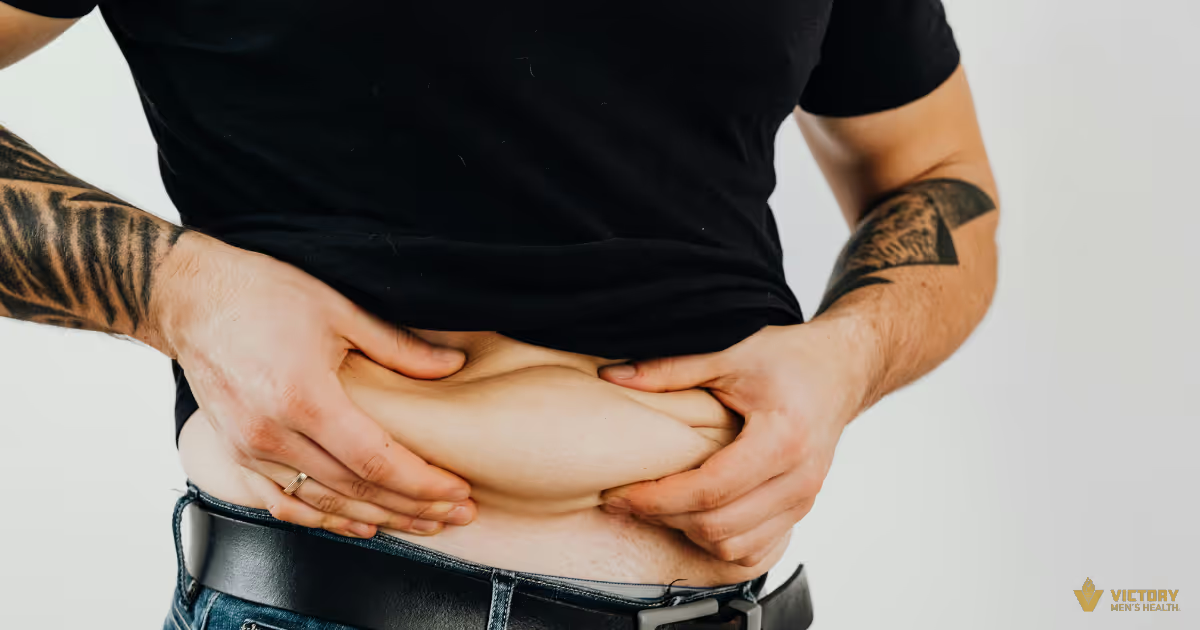
Low Testosterone Levels? Avoid These 4 Bad Habits
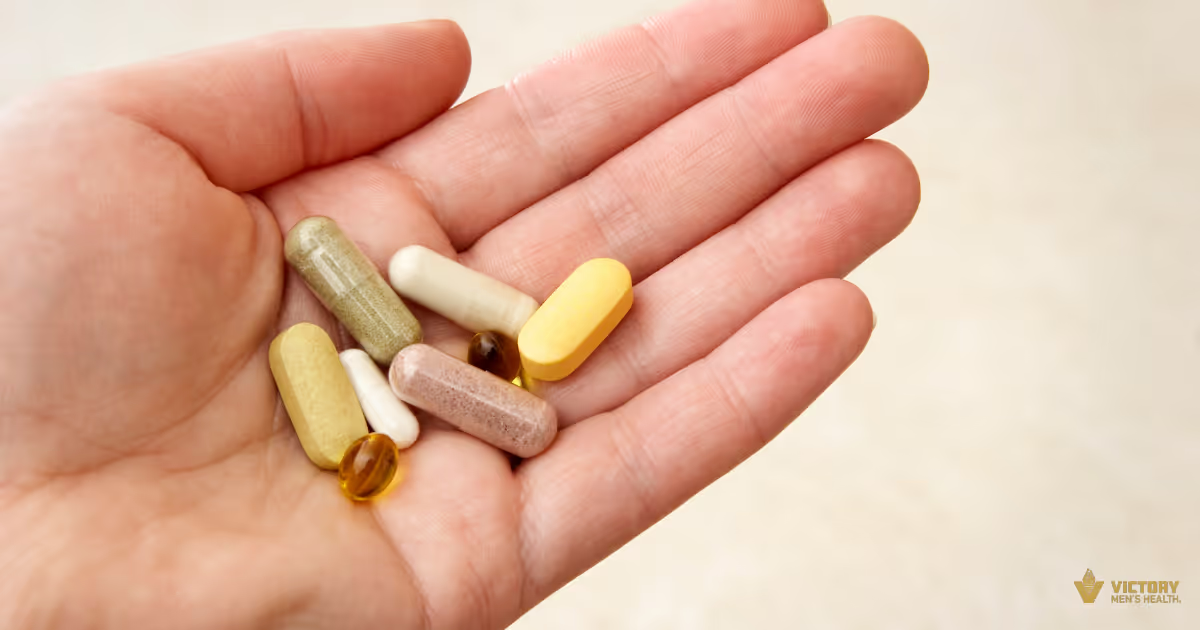
Testosterone Boosters for Men: What They Are & What to Know

TRT Clinic Warning Signs (& What to Look For Instead)

Is Your Testosterone Low? Why Most Doctors Aren’t Testing the Right Levels

TRT Side Effects: The Real Cause & How to Fix Them

Dopamine and Testosterone: What’s the Connection?

Testosterone FDA Update: The Truth About TRT & Heart Health

TRT & Fertility: What Our Patients Experience
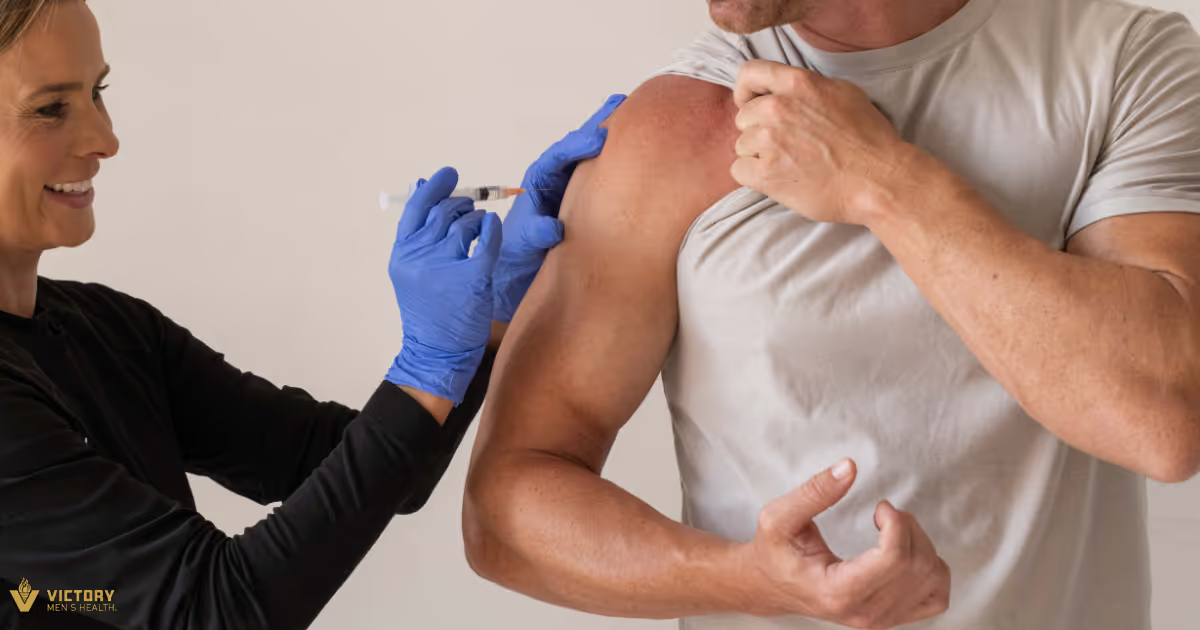
TRT Dosing: How Much Testosterone Is Too Much?

High Testosterone in Women: What Causes It?

Akkermansia for Gut Health: Skip or Try?
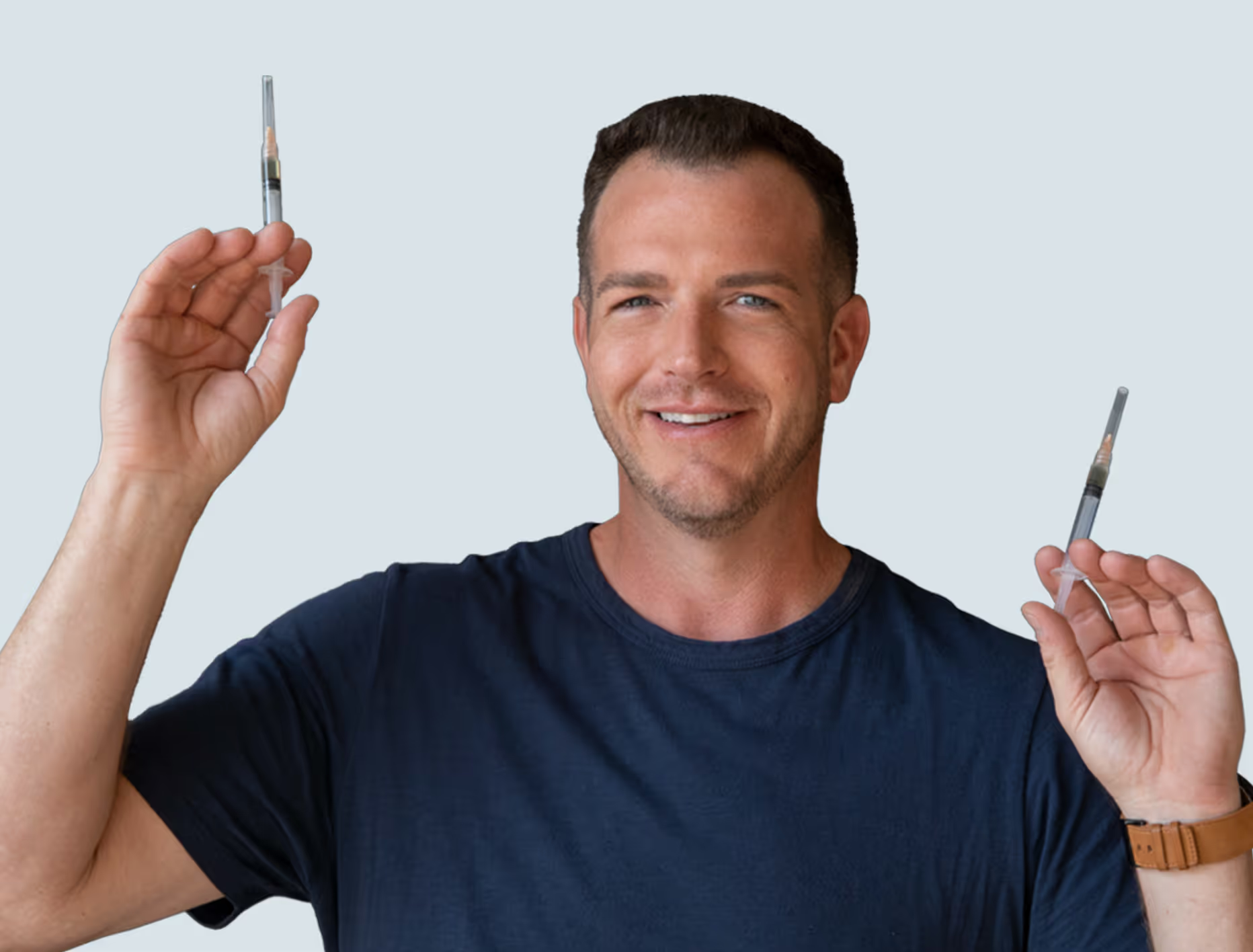
Need-To-Know Supplements for Men on Hormone Therapy
Nitric Oxide and Erections: What’s the Link?

How Much Melatonin Should I Take?

How to Boost Testosterone Naturally
The Best Peptides for Fat Loss | Results Our Clients See
Do Penis Enlargement Pills Actually Work?

How to Inject Testosterone

Is Edging Bad For Testosterone?
Do Antidepressants Lower Testosterone Levels?
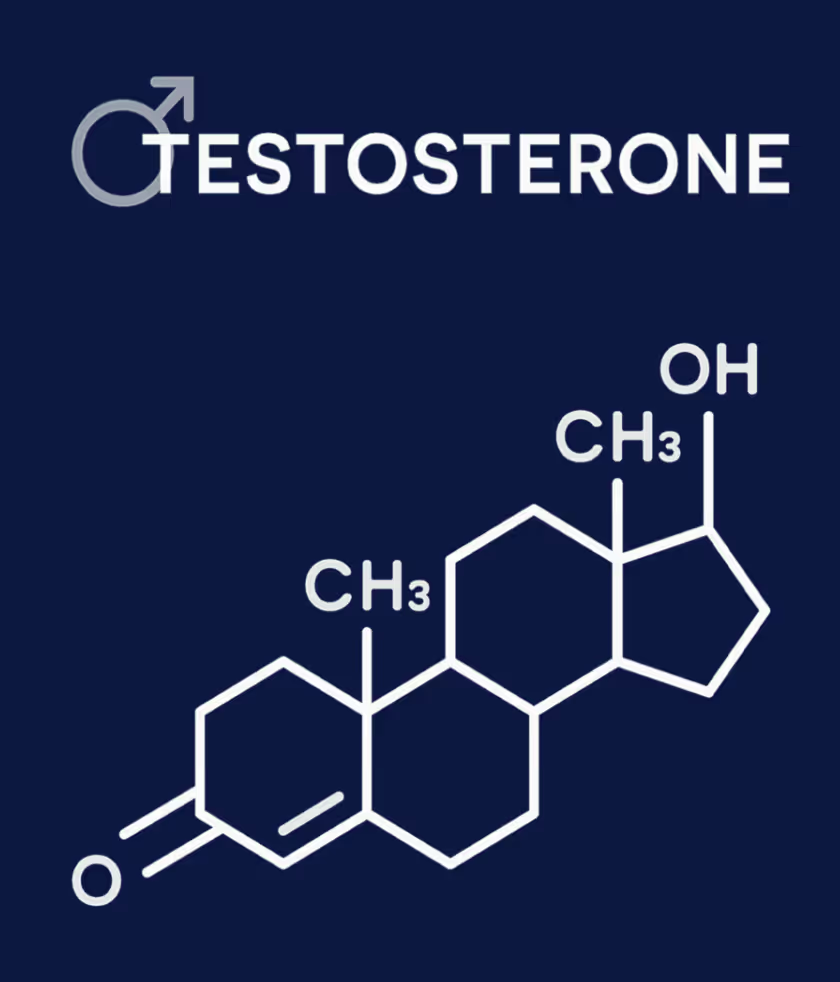
Testosterone Levels: What Is The Ideal Number?

Does Metformin Lower or Increase Testosterone?
Imported item 60
TRT Options: Should I Use an Injection, Cream, or Pellets?
DHT Hair Loss: Do You Actually Lose Hair Taking Testosterone?
Testosterone Therapy Timeline: What Should You Expect?
Pregnenolone For Men | Side Effects, Results, & Where to Find It

Hormone Belly | How To Treat It Effectively & For Good!
How Long Does It Take Testosterone Replacement Therapy (TRT) To Work?

Legal Muscle: Exploring the World of Performance Enhancement with Attorney Rick Collins

Testosterone Myths and Misconceptions; BUSTED PART 2
Testosterone Boosters - Boost or Bust
Testosterone Myths and Misconceptions; BUSTED PART 3
Testosterone Myths and Misconceptions; BUSTED PART 1
Testosterone Cream for Men: Is It Better Than Injections?

Testosterone and the Everyday Athlete