Cortisol Levels Explained: How to Lower Cortisol for Better Health
Jump to
Cortisol has become the scapegoat for everything from poor sleep to stubborn belly fat. You’ve heard people say, “My cortisol is too high” or “I think my stress hormones are out of whack.” But cortisol isn’t the bad guy—we need it for both our survival and performance. The real issue starts when your cortisol levels stay elevated for too long.
Here’s what you need to know about cortisol, how it impacts your health, and how to lower cortisol naturally for better health and vitality.
What is Cortisol and Why Does it Matter?
Cortisol is commonly known as the stress hormone, and for good reason.
It’s released by your adrenal glands (which sit on top of your kidneys) in response to physical or emotional stress. Cortisol helps you wake up, stay alert, regulate blood sugar, reduce inflammation, and even keep your mood in check.
Your cortisol levels follow a natural rhythm—rising in the morning to help you get moving and dropping in the evening to help you relax and get better sleep. When this rhythm gets disrupted, that’s when problems can start.
How Do I Know if My Cortisol Levels Are Too High or Too Low?
If your cortisol levels are out of balance, your body will let you know. The symptoms might start subtly, but over time, they can significantly impact how you feel and perform. This rings especially true if you’re trying to keep up with work, workouts, and everything in between.
High Cortisol Symptoms
- Trouble falling or staying asleep
- Constant fatigue, even after a full night’s rest
- Increased belly fat and sugar cravings
- Anxiety or irritability
- Difficulty recovering after workouts
Low Cortisol Symptoms
- Brain fog and low energy
- Dizziness or feeling lightheaded, especially when standing
- Low blood pressure
- Loss of motivation
- Decreased sex drive
What Causes Unhealthy Cortisol Levels?
Today’s fast-paced, high-demand lifestyle is a cortisol trap. Between deadlines, late-night scrolling, lack of sunlight, and back-to-back obligations, your body is stuck in a constant state of “go.” It doesn’t know the difference between real danger and perceived stress—your brain treats work anxiety the same as being chased by a bear. Sound familiar?
Here are some of the biggest culprits behind cortisol imbalance:
- Chronic or perceived stress
- Poor sleep (especially shift work or inconsistent schedules)
- Overtraining or being sedentary
- A diet high in sugar and processed foods
- Too much caffeine or alcohol
- Blue light exposure at night
- Sleeping with the TV on or constantly checking your phone
These factors can turn cortisol from an acute stress responder into a chronic hormone that’s on 24/7, and that can take a toll on your health.

How to Lower Cortisol Naturally
You don’t need to overhaul your entire life to support healthy cortisol levels. Small, consistent changes can make a big impact. Lowering cortisol naturally starts with controlling the inputs that throw your body out of rhythm.
Here are some proven ways to lower cortisol and feel better:
- Fix your sleep schedule. Go to bed and wake up at the same time each day. Cut screens an hour before bed, use blackout curtains, and avoid sleeping with the TV on.
- Eat to balance blood sugar. Focus on protein, fiber, and healthy fats. Limit sugar, caffeine, and processed foods that spike cortisol.
- Move your body—but don’t overdo it. Exercise helps regulate cortisol, but too much high-intensity training can backfire. Incorporate walks, lifting, and mobility work.
- Train your brain. Your body reacts to perceived stress the same way it reacts to real stress. Practicing mindfulness, breathwork, or even cold exposure can help reset your stress response.
- Ditch the stimulants. If you rely on caffeine to survive the day, your adrenals are probably overworked. Try cutting back slowly and replacing with hydration or herbal options.
What’s the Link Between Cortisol and Testosterone?
Cortisol doesn’t exist in a vacuum—it affects other hormones, too. When cortisol is consistently high, it suppresses testosterone, growth hormone, and melatonin production. That means less energy, reduced muscle mass, slower recovery, and lower libido.
Men with elevated nighttime cortisol often struggle with sleep quality and hormone output.
Without proper rest and recovery, your body can’t repair itself, build muscle, or keep your testosterone levels where they should be. Think of cortisol and testosterone like a seesaw—when one goes up, the other often drops.
When to Test Your Cortisol Levels
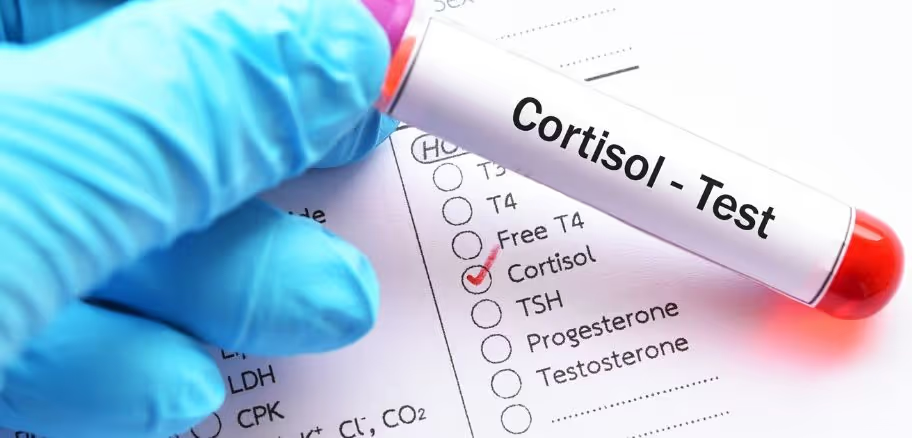
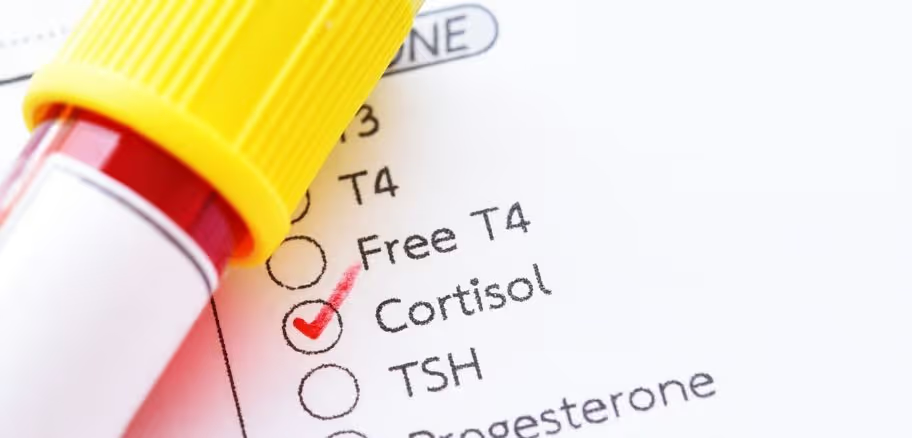
If you’re constantly tired, wired at night, struggling to sleep, or can’t shake brain fog—testing your cortisol levels might be a wise next step. At Victory Men’s Health, we can measure cortisol through saliva or blood tests and help you pinpoint whether your levels are too high, too low, or just flatlined.
Timing matters—cortisol should spike in the morning and taper off at night. A single test won’t always give the full picture, which is why our team takes a personalized approach to interpreting your results and building a plan that works for you.
Not sure how to choose the right hormone doctor? We sat down with nurse practitioner Lauren Finnerty on the Women Want Strong Men podcast to break down the questions that can help you make the best decision for you. Check it out below, then keep reading for more.
https://www.youtube.com/watch?v=xGmeLp0DA94
Questions Our Patients Ask About Cortisol
What Are Normal Cortisol Levels Throughout The Day?
Cortisol is highest within 30–45 minutes after waking (called the cortisol awakening response) and gradually declines throughout the day. It should be lowest before bedtime. While the ranges vary depending on the test, normal ranges are typically 10 to 20 micrograms per deciliter between 6 a.m. and 8 a.m., and 3 to 10 mcg/dL around 4 p.m.
How Long Does it Take to Lower Cortisol Levels?
With the right lifestyle changes, some people notice improvements within just a few weeks. However, chronic cortisol imbalance can take several months to correct under the guidance of a healthcare provider.
Can High Cortisol Cause Weight Gain?
Yes, especially around your midsection. Cortisol increases appetite and promotes fat storage, particularly visceral fat (aka hormone belly).
Does Cortisol Affect Testosterone?
Absolutely. Chronically high cortisol blunts testosterone production and disrupts your hormone balance. If you’re struggling with symptoms of low testosterone, we can help you determine the root cause and tailor a treatment plan to suit your unique needs.
Are There Supplements That Help Lower Cortisol?
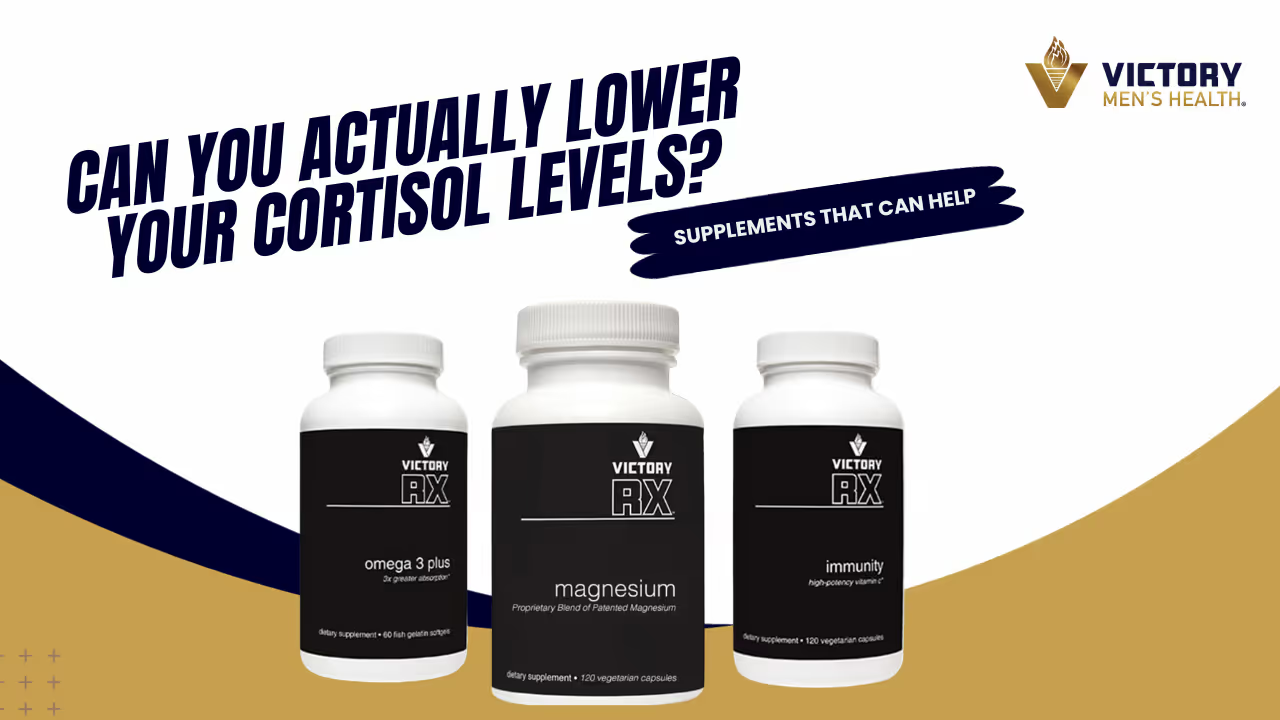
Yes! Adaptogens like ashwagandha, phosphatidylserine, and magnesium can help. However, they work best when combined with lifestyle changes, and should only be taken under the guidance of a knowledgeable healthcare provider.
Optimize Your Hormone Health with Victory Men’s Health
Cortisol isn’t the enemy, but when your levels are off, it can derail everything from your energy and focus to your sleep quality and hormone health. If you’re feeling worn down, stressed out, or stuck in a cycle of poor recovery and low motivation, it’s time to get your levels checked.
At Victory Men’s Health, we offer advanced testing and personalized support to help you rebalance your hormones and feel like yourself again. Let’s get to the root cause and build a plan that works. Contact us today to schedule your consultation.

Related Resources

Research Use Only Peptides: Why the FDA Is Ending the RUO Era

TB006 for Alzheimer’s: What We Know So Far About This Galectin-3 Therapy

Do I Need Liver Supplements? Here’s What to Know

How to Increase Sperm Count: 7 Ways to Boost Male Fertility

Best Nitric Oxide Foods for Better Blood Flow & Sexual Health

Thyroid Problems in Men: Symptoms to Watch For & What to Do

Vitamin B12: How Much Per Day Should You Take?

Iron Deficiency Symptoms to Watch For

Magnesium Glycinate vs. Magnesium Citrate: Which is Better?

Vitamin D3 and K2: Why You Should Take Them Together
Prebiotic vs. Probiotic Supplements for Gut Health: What’s the Difference?

Do Supplements for Muscle Building Work? What We Tell Our Patients

Insulin Resistance Symptoms (& How To Fix It)

What Is Carrageenan and Is It Dangerous?

Creatine Benefits for Men (Beyond Muscle Growth)

Melatonin for Sleeping: Why it’s Not Working & How to Fix It

Male Birth Control: What to Know About ‘The Pill’ for Men

Prostate Cancer Symptoms: What Joe Biden’s Diagnosis Means for Men Over 40

What is PEMF Therapy? Everything You Need to Know

Brain Peptides: Can They Actually Boost Cognitive Function?

TMG Supplements: Why Biohackers Can’t Get Enough

MTHFR Gene Mutation Symptoms: What Your Lab Work Isn't Telling You

The Best Health Screenings for Men (& When to Get Them)
Methylated Multivitamins: Should You Make the Switch?

Hydrogen Water: What to Know About the Biohack Gary Brecka Swears By

Telomere Testing: Can You Reverse Your Biological Age?

Men & Progesterone: Why You Should Avoid This Hormone Like the Plague
The Best Anti-Aging Supplements For Men

NAD: Side Effects & Benefits No One Is Talking About

Can Hormone Replacement Therapy Increase Cancer Risk?

Sperm Testing for Men: What to Know & Where to Go
Hormone Replacement Therapy for Men vs. Women

Low Progesterone Symptoms in Women (& What To Do About It)

Tirzepatide for Weight Loss: How Does It Work?

PT-141 for Men: Is it Better Than Viagra?
Coconut Oil as Lube: Here’s Why You Should Avoid It

Are Peptides FDA-approved?

Why You Should Reconsider Using PPI Drugs Long-Term

Statins vs. Estradiol: Which is Better for Heart Health?

Post-Finasteride Syndrome: What You Need to Know

Can Lack of Sleep Lower Testosterone?

Methylation Testing 101: Is it the Key to Healthy Aging?
Red Light Therapy for Pain Relief

What Are Food Sensitivity Tests and How Do They Work?

Insulin Resistance & PCOS Symptoms: The Labs You Should Request with Angie Nichols
How to Make Semaglutide Work Better & Faster

Creatine For Women: Here’s What To Know
6 Symptoms of Low Nitric Oxide | Symptoms To Watch For
“Am I At Risk For A Heart Attack?!” How We Screen Patients in 2024

How to Last Longer in Bed: 10 Proven Tips from Men's Health Experts

Ketamine Therapy: Are The Side Effects Worth It?

Micronutrient Testing: What Your Results Actually Mean

What is Sermorelin? Let's Talk Risks & Benefits for Men

Does A Myer's Cocktail Actually Work? Here's What We've Seen.

Male Fertility Tests | What's Next For Male Fertility?
Is A Healthy Gut the Key to Weight and Blood Sugar Control?
Is A Healthy Gut the Key to Weight and Blood Sugar Control?
Can You Actually Lower Your Cortisol Levels? | What We Know (& What To Take)

Light: The missing piece of the wellness puzzle

You Don't Need To Be Sick To Get An IV!
Endocrine Disruptors: The Frightening Truth

Nitric Oxide for Men’s Health: Insights from Dr. Nathan Bryan & Amy Stuttle
Micronutrient Testing: What You Should Know
What Is BPH? Understanding Enlarged Prostate & How to Fix It

Sex on a Screen: Free Adult Entertainment Comes with a Cost
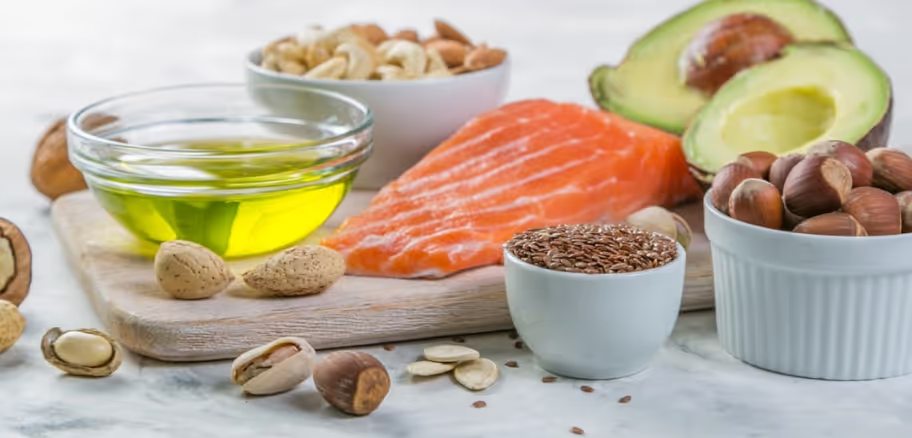
You Are What You Eat & You Will Want to Eat More of this Fat!

Glutathione Benefits for Men: The Antioxidant You’re Probably Missing

How to Sleep Better: 7 Strategies for Deeper Sleep

Supplements for Men’s Health: Medical-Grade vs. Over-the-Counter
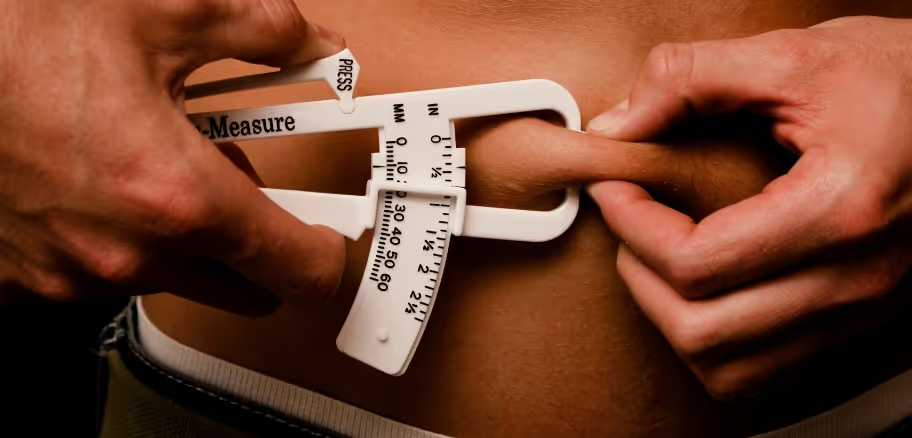
Why You Should Worry About The Fat You Can't See

Nitric Oxide Benefits for Men: Boost Energy, Circulation, & Sexual Health

What is the Difference Between Lean Body Mass and Muscle Mass?

Vitamin D for Men: Are You Getting Enough of the Sunshine Vitamin?

Understanding Human Chorionic Gonadotropin (HCG)

Sermorelin Therapy: A Smarter Approach to HGH Restoration

Tony La Russa Endorses Local Business Victory Men's Health