HCG on TRT for Fertility: The Key to Keeping Your Options Open

Jump to
Many of our patients ask about HCG on TRT for fertility because they want to optimize testosterone without sacrificing their ability to have children. For most men, it is possible to maintain fertility with HCG, all while improving their energy, strength, and overall health.
If you’re on testosterone therapy or thinking about starting, it’s worth knowing how HCG can help you protect your fertility while still reaping all the benefits of optimized testosterone. With the right plan and provider, you can feel your best now and keep your options open for later.
What Is HCG and What Does It Do on TRT?
HCG (human chorionic gonadotropin) is a hormone that mimics luteinizing hormone (LH), the brain’s signal that tells the testicles to produce testosterone and sperm. When you start TRT, your brain senses that testosterone levels are restored and reduces that LH signal. As a result, sperm production can slow or stop temporarily.
Adding HCG to a TRT protocol essentially sends a direct message to the testicles to “keep doing your job,” even though the pituitary is quiet. On lab work, LH will still appear low because HCG isn’t restoring the brain’s signal; it’s replacing it. The only way to confirm if it’s helping maintain fertility is through a sperm analysis, not hormone labs.
For men who need to stay on testosterone while trying to conceive, HCG can be an invaluable tool. But it’s not for everyone. It’s an added expense, requires additional injections, and doesn’t make most men feel different on a low dose. In fact, because HCG is a female pregnancy hormone, high doses can sometimes cause unwanted side effects in men.
At Victory Men’s Health, we emphasize exhausting all other options before starting TRT if fertility is a priority—especially in younger men. For those who truly need TRT and want to preserve fertility, HCG can play a strategic, evidence-based role when managed carefully.
Can TRT Make You Infertile?
While you’re on testosterone therapy, sperm production may be suppressed, but the degree varies from person to person and it should never be relied on as birth control. TRT is designed as a long-term treatment, not something to casually cycle on and off.
If you stop therapy, your sperm and testosterone levels often return to baseline over time, but this recovery isn’t guaranteed. Some men require higher doses of HCG and, in certain cases, FSH to help restore fertility.
That’s why having a knowledgeable provider who monitors both hormone and reproductive health is so important throughout treatment.
Why HCG Is the Gold Standard for Protecting Fertility
HCG remains the most effective option for maintaining fertility during testosterone replacement therapy. It mimics the body’s natural LH signal, helping to keep the testicles active and support sperm production even while on TRT.
Some clinics substitute Clomid, but it doesn’t consistently preserve fertility or testicular function in men receiving testosterone. With that said, Clomid can be a good standalone treatment for certain patients, since it may naturally stimulate the body’s own testosterone production without the need for TRT in specific cases.
At Victory Men’s Health, we use HCG intentionally and only when it aligns with the patient’s goals. It’s an effective choice for men who need to stay fertile while on testosterone or want to maintain testicular function, but it’s not a one-size-fits-all solution.
Every patient’s protocol should be built around his goals, labs, and lifestyle.
But… Is HCG Still Available in 2025?
Despite any rumors you may have seen floating around, HCG is still available. In March 2020, the FDA restricted compounding pharmacies from creating their own formulations, which caused some confusion. However, FDA-approved HCG from licensed manufacturers is still obtainable through qualified medical providers.
We continue to prescribe HCG in our clinics through trusted pharmacy partners who meet the highest safety and quality standards. We do the extra work required to source it correctly because we know our patients’ results depend on it.
If a clinic tells you HCG can’t be prescribed anymore, that’s a sign they’re not staying current. The right provider should understand how to access it safely and when it makes sense to include in your treatment plan.
How to Use HCG on TRT: Dosing, Frequency & Monitoring
Like testosterone, HCG works best when dosed properly and monitored consistently. It’s typically given as a small subcutaneous injection two or three times per week. Many men inject HCG on the same days as their testosterone for convenience.
The exact dosage depends on your goals and individual response. For some men, smaller doses are completely effective for maintaining fertility, while others may require higher, evidence-based dosing for optimal results. The most effective plans include both hormone monitoring and regular sperm testing to confirm that the protocol is working as intended.
You can use at-home sperm testing kits such as Fellow to make tracking simple and accurate. Because sperm regenerate every three to four months, improvement takes time—but consistent testing ensures the plan is working. If your goal is fertility, patience and precision matter.
Do You Need HCG If You’re Not Planning on Having Kids?
Not every man on TRT needs HCG.
If you’ve completed your family or fertility isn’t a concern, HCG typically isn’t necessary. Some men choose to add it to counteract the mild testicular shrinkage that can occur with testosterone therapy for aesthetic reasons, but most aren’t bothered enough by this to justify the added expense and extra injections each week.
The point? It’s a personal choice, one that a knowledgeable provider can help you make based on your goals, comfort, and long-term plans for testosterone therapy.
How to Choose a Clinic That Understands HCG and Fertility
The results you see will largely depend on the provider managing your therapy. Too many clinics prescribe testosterone without understanding how it affects fertility or how to preserve it.
We take a comprehensive approach. Our team evaluates every aspect of hormone health, from testosterone and estrogen to LH, FSH, thyroid function, and sperm quality. Your plan is designed to support the entire hormonal system, not just replace one hormone.
If your clinic can’t explain why they’re prescribing a medication or how it supports your fertility, that’s a reason to ask questions—or find a clinic that can.
On an episode of the Women Want Strong Men podcast, we sat down with Lauren Finnerty, NP, as she shared the key questions to ask a hormone provider before moving forward. Listen to the full episode below!
https://open.spotify.com/episode/7BMgfr2yr2PrT2mYYjHRJf?si=ZXAYX9zMSkKFir0gNX18ZQ
When to Talk to Your Provider
If you’re on TRT or considering it, we recommend bringing up HCG early in the conversation. It’s best to discuss it before fertility becomes a concern, not after.
You should discuss HCG with your provider if you:
- Are on TRT and plan to have children in the future
- Are actively trying to conceive
- Are concerned with testicular shrinkage or changes in sperm count
Even if fatherhood isn’t on your radar right now, it’s easier to protect fertility than to restore it later. The earlier you bring it up, the more options you’ll have.
Protect Your Fertility and Hormones with Victory Men’s Health
HCG is a trusted, evidence-backed tool to help men stay fertile while optimizing testosterone. For men who want to maintain sperm production or keep the option of fatherhood open, HCG can make a big difference. We use it intentionally, based on your medical history, evaluation, lifestyle, and long-term goals—not as part of a generic hormone stack.
Our providers are experienced in creating personalized TRT plans that include HCG when it’s needed and omit it when it’s not. We partner with licensed pharmacies for reliable access, track results through lab work and at-home sperm testing, and fine-tune your treatment over time so you can feel your best and protect what matters most.
Ready to personalize your TRT plan? Schedule a consultation today to take the next step in supporting your fertility and long-term health.

Related Resources

What Big Pharma Companies Don’t Want You To Know About TRT
Why Most Testosterone Gels Don’t Work (& What Makes Transcrotal Cream Different)

FDA Testosterone Panel: Are We Finally Done With Fear-Based TRT Policy?

Oral Testosterone: How Kyzatrex Compares to Injections and Gels

Can Low Testosterone Cause Hair Loss? Here’s What to Know

TRT Risk 101: The Trouble With Using TRT as a Shortcut

12 Foods That Increase Testosterone Naturally

You Don’t Need an Aromatase Inhibitor on TRT, Here’s Why

Enclomiphene for Low Testosterone: Does It Work?

Should You Supplement with DHEA? Here’s What to Know

Zinc Benefits for Men: Testosterone, Prostate Health & More
Free vs. Total Testosterone: What to Know & Why It Matters

When to Take Magnesium Glycinate for the Best Results
At Home Testosterone Tests: Do They Really Work?

Low Testosterone Levels? Avoid These 4 Bad Habits

Testosterone Boosters for Men: What They Are & What to Know

TRT Clinic Warning Signs (& What to Look For Instead)

Is Your Testosterone Low? Why Most Doctors Aren’t Testing the Right Levels

TRT Side Effects: The Real Cause & How to Fix Them

Dopamine and Testosterone: What’s the Connection?

Testosterone FDA Update: The Truth About TRT & Heart Health

TRT & Fertility: What Our Patients Experience

TRT Dosing: How Much Testosterone Is Too Much?

High Testosterone in Women: What Causes It?

Akkermansia for Gut Health: Skip or Try?
Need-To-Know Supplements for Men on Hormone Therapy
Nitric Oxide and Erections: What’s the Link?

How Much Melatonin Should I Take?

Alcohol and Testosterone Levels: What’s the Link?

How to Boost Testosterone Naturally
The Best Peptides for Fat Loss | Results Our Clients See
Do Penis Enlargement Pills Actually Work?

How to Inject Testosterone

Is Edging Bad For Testosterone?
Do Antidepressants Lower Testosterone Levels?
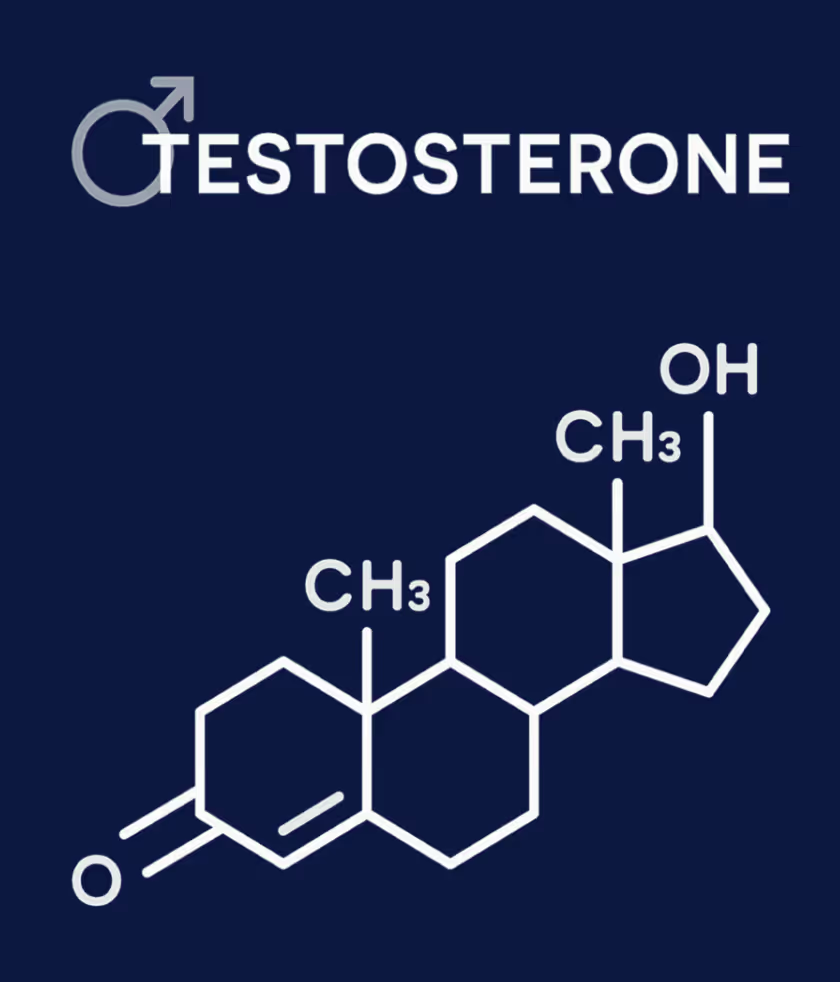
Testosterone Levels: What Is The Ideal Number?

Does Metformin Lower or Increase Testosterone?

Imported item 60
TRT Options: Should I Use an Injection, Cream, or Pellets?

DHT Hair Loss: Do You Actually Lose Hair Taking Testosterone?
Testosterone Therapy Timeline: What Should You Expect?

Pregnenolone For Men | Side Effects, Results, & Where to Find It

Hormone Belly | How To Treat It Effectively & For Good!

How Long Does It Take Testosterone Replacement Therapy (TRT) To Work?

Legal Muscle: Exploring the World of Performance Enhancement with Attorney Rick Collins

Testosterone Myths and Misconceptions; BUSTED PART 2

Testosterone Boosters - Boost or Bust

Testosterone Myths and Misconceptions; BUSTED PART 3

Testosterone Myths and Misconceptions; BUSTED PART 1

Testosterone Cream for Men: Is It Better Than Injections?

Testosterone and the Everyday Athlete