How to Increase Sperm Count: 7 Ways to Boost Male Fertility

Jump to
Trying to have a baby and starting to wonder if you might be the reason it hasn’t happened yet? Learning how to increase sperm count is one of the best things you can do to improve your chances. Your fertility is a reflection of your overall health, and with the right steps—many men see genuine, lasting improvements.
In an episode of the Women Want Strong Men podcast, we met with Fellow CEO Will Matthews to discuss all things sperm, fertility, and reproductive health. Today, we’ll break down what to know about sperm count, how to boost male fertility, and when to seek help. For a deeper dive, save the full episode below to check it out after reading. Now, let’s dive in.
https://open.spotify.com/episode/12Wf8xcIJTtphsHN6qF3Ur?si=O5caEPviS86iziiWLCUPqA
The Truth About How Sperm Count Impacts Your Fertility
Your sperm count represents how many sperm cells are present in one milliliter of semen. A “normal” count typically falls between 15 million and 200 million per milliliter, but quantity alone doesn’t determine fertility.
The real key lies in sperm quality: how well they move (motility), how healthy they look (morphology), and how intact their DNA is.
Factors like stress, hormone imbalances, thyroid problems, excess body fat, and heat exposure can all affect sperm production. Since sperm regenerate roughly every 90 to 120 days, small changes you make now can show measurable improvement in just a few months.
That’s why testing (and re-testing) matters. At-home options like Fellow’s semen analysis kit make it easy to check your sperm count, motility, and morphology from the comfort of your home. Understanding your starting point helps you track your progress over time and gives you a better idea of how your efforts are paying off.
7 Ways to Boost Male Fertility and Increase Sperm Count
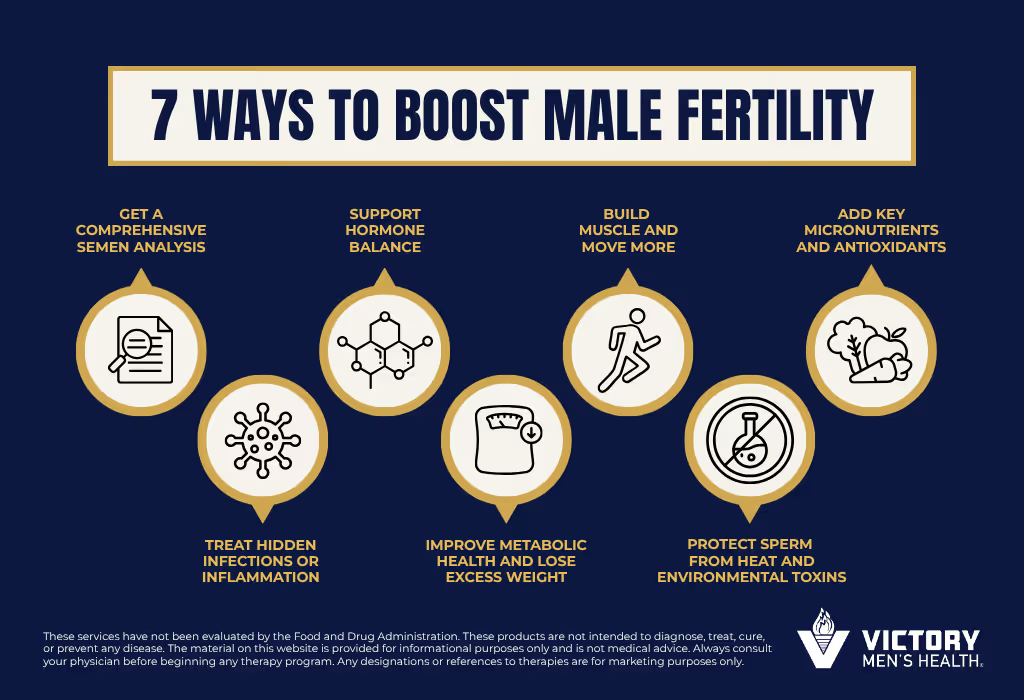
If you’re wondering how to boost male fertility naturally, miracle supplements and quick fixes won’t cut it—you need consistency and awareness. These seven strategies are backed by science, clinical experience, and real-world results from men who’ve turned their fertility around.
Here’s a quick look at the best ways to boost male fertility:
- Get a comprehensive semen analysis
- Treat hidden infections or inflammation
- Support hormone balance
- Improve metabolic health and lose excess weight
- Build muscle and move more
- Protect sperm from heat and environmental toxins
- Add key micronutrients and antioxidants
Get a Comprehensive Semen Analysis (& Retest in 12-16 Weeks)
If you don’t know your numbers, you’re just guessing—and that gives you nothing to work with. A detailed semen analysis gives you crucial data (sperm count, motility, morphology, and volume) so you can understand what’s really going on.
You can visit a men’s health clinic like Victory Men’s Health or order a trusted at-home sperm test to get actionable insights. Then, plan to retest in 12-16 weeks (that’s one full sperm regeneration cycle) to see how your lifestyle changes or supplements are working.
This proactive approach makes fertility feel less mysterious and more measurable, so you can take control of your reproductive health instead of leaving it to chance.
Treat Hidden Infections or Inflammation
Sometimes the biggest obstacle to male fertility isn’t obvious. Hidden infections or inflammation in the reproductive tract can silently lower sperm count or damage sperm quality.
Recently on the Women Want Strong Men podcast, fertility expert Gabriela Rosa shared a story about a man with a sperm count of just 2 million. After treating an infection, his count jumped to 36 million. That’s how powerful addressing root causes can be!
If you’ve been struggling with low sperm count or poor motility, ask your provider to check for STIs, prostatitis, or other infections. Once treated, your sperm production could rebound dramatically—often without the need for medication or invasive procedures.
Support Hormone Balance
Your hormones are the engine behind sperm production. When testosterone, thyroid, or adrenal function is off, your fertility often takes a hit. If you’re on anabolic steroids or testosterone replacement therapy (TRT) or anabolic steroids, it’s crucial to work with a hormone specialist who can balance your testosterone levels without compromising fertility.
Similarly, some medications (including certain antidepressants or blood pressure drugs) can lower sperm count. At Victory Men’s Health, we use comprehensive hormone panels to find the right balance for your body.
Optimal testosterone, DHEA, and thyroid levels can help your body naturally produce more healthy sperm. However, taking external sources of testosterone will reduce sperm count unless you’re taking other hormone medications alongside it.
Improve Metabolic Health and Lose Excess Weight
If you’re carrying extra belly fat or dealing with insulin resistance, your metabolism could be quietly sabotaging your fertility. High blood sugar and poor metabolic health can reduce testosterone, slow sperm production, and increase DNA damage in sperm cells.
That said, improving your metabolic health benefits everything—not just fertility. Aim for a balanced diet with quality protein, healthy fats, and fiber-rich foods.
For men who want to optimize their metabolism and hormone balance, we often recommend checking thyroid function and vitamin D levels. Even losing 5 or 10 pounds of visceral fat can lead to noticeable improvements in energy, libido, and sperm quality.
Build Muscle and Move More
Strength training is one of the most effective ways to boost testosterone and fertility naturally. Regular resistance workouts improve your mitochondrial health, increase blood flow, and enhance hormone production—all key to higher sperm count and better motility.
Try incorporating 2-3 weightlifting sessions per week, focusing on large muscle groups like your legs, back, and chest. Avoid extreme overtraining or marathon cardio, which can increase cortisol and lower testosterone. Remember: a healthy body is a fertile body. Moving your body regularly can help make that a reality.
Protect Sperm from Heat and Environmental Toxins
Sperm are sensitive, and heat exposure and everyday toxins can quietly impact male fertility. With this in mind, try incorporating the following changes to improve your sperm health:
- Avoid placing laptops directly on your lap.
- Don’t overdo it in hot tubs or saunas (if you use a sauna regularly, consider protecting your gems with a cold towel or pack).
- Switch to breathable boxers instead of tight briefs.
Environmental toxins also matter. Limit your exposure to plastics, pesticides, and chemicals that mimic estrogen (like BPA and phthalates). Stick to glass water bottles, choose organic produce when possible, and wash your fruits and vegetables thoroughly.
Add Key Micronutrients and Antioxidants (Based on Labs)
Certain nutrients play a direct role in sperm production and motility—but supplementation should always be guided by lab results. We’ve seen men take a supplement simply because they heard it was good for male fertility, then wonder why it didn’t do anything to help them.
In our Illinois and Missouri clinics, we run micronutrient testing to identify exactly what your body needs, so you can supplement wisely for the best results.
Nutrients like zinc, selenium, vitamin D, CoQ10, and omega-3s can make a real difference in your sperm health. Still, it’s important to test before you start. Supplementing without knowing your levels can do little (or even backfire) if your body doesn’t actually need it.
Do You Have a Fertility Backup Plan?
Even if you’re not planning to start a family soon, it’s worth thinking ahead. Sperm freezing (also known as cryopreservation) can safeguard your fertility for the future—especially if you’re starting TRT, undergoing cancer treatments, or simply want peace of mind.
Fellow offers an easy at-home option for collecting, testing, and freezing sperm samples discreetly. As a safety precaution, we often recommend sperm banking for men beginning hormone therapy or other treatments that could temporarily suppress sperm production.
You never know when being prepared might come in handy, and fertility is one of those things you don’t want to take for granted until it’s too late.
When Should I Get Help for Fertility & Sperm Count?
If you’ve been trying to conceive for six months or longer without success, or if you’ve already made lifestyle changes and still aren’t seeing improvement, it’s time to bring in a professional.
At Victory Men’s Health, we specialize in comprehensive testing and treatment for men’s health issues like male fertility. We look beyond the surface to uncover the root cause—whether it’s hormone imbalance, nutrient deficiency, inflammation, or thyroid dysfunction.
Remember: roughly 40-50% of fertility issues are related to male factors. That means addressing your health doesn’t just support conception—it improves your energy, mood, and long-term vitality, too.
Take Control of Your Fertility with Victory Men’s Health
Improving sperm count and fertility doesn’t happen overnight, but it’s absolutely possible. By knowing your numbers, supporting hormone and metabolic health, and addressing hidden barriers, you can take meaningful steps toward better fertility and overall wellness.
At Victory Men’s Health, we help men reclaim their confidence and vitality every day. Whether you’re looking to boost testosterone, improve thyroid function, or increase sperm count, our team is here to help.
Ready to find out the truth about your fertility? Book your consultation today and take the first step toward better health and sexual wellness.

Related Resources

Research Use Only Peptides: Why the FDA Is Ending the RUO Era

TB006 for Alzheimer’s: What We Know So Far About This Galectin-3 Therapy

Do I Need Liver Supplements? Here’s What to Know

Best Nitric Oxide Foods for Better Blood Flow & Sexual Health

Thyroid Problems in Men: Symptoms to Watch For & What to Do

Vitamin B12: How Much Per Day Should You Take?

Iron Deficiency Symptoms to Watch For

Magnesium Glycinate vs. Magnesium Citrate: Which is Better?

Vitamin D3 and K2: Why You Should Take Them Together
Prebiotic vs. Probiotic Supplements for Gut Health: What’s the Difference?

Do Supplements for Muscle Building Work? What We Tell Our Patients

Insulin Resistance Symptoms (& How To Fix It)

What Is Carrageenan and Is It Dangerous?

Creatine Benefits for Men (Beyond Muscle Growth)

Melatonin for Sleeping: Why it’s Not Working & How to Fix It

Male Birth Control: What to Know About ‘The Pill’ for Men

Prostate Cancer Symptoms: What Joe Biden’s Diagnosis Means for Men Over 40

What is PEMF Therapy? Everything You Need to Know

Brain Peptides: Can They Actually Boost Cognitive Function?

TMG Supplements: Why Biohackers Can’t Get Enough

MTHFR Gene Mutation Symptoms: What Your Lab Work Isn't Telling You

The Best Health Screenings for Men (& When to Get Them)
Methylated Multivitamins: Should You Make the Switch?

Hydrogen Water: What to Know About the Biohack Gary Brecka Swears By

Telomere Testing: Can You Reverse Your Biological Age?

Men & Progesterone: Why You Should Avoid This Hormone Like the Plague

The Best Anti-Aging Supplements For Men

NAD: Side Effects & Benefits No One Is Talking About

Can Hormone Replacement Therapy Increase Cancer Risk?

Sperm Testing for Men: What to Know & Where to Go
Hormone Replacement Therapy for Men vs. Women

Low Progesterone Symptoms in Women (& What To Do About It)

Tirzepatide for Weight Loss: How Does It Work?

PT-141 for Men: Is it Better Than Viagra?
Coconut Oil as Lube: Here’s Why You Should Avoid It
Are Peptides FDA-approved?

Why You Should Reconsider Using PPI Drugs Long-Term

Statins vs. Estradiol: Which is Better for Heart Health?

Post-Finasteride Syndrome: What You Need to Know

Can Lack of Sleep Lower Testosterone?

Methylation Testing 101: Is it the Key to Healthy Aging?

Red Light Therapy for Pain Relief

What Are Food Sensitivity Tests and How Do They Work?

Insulin Resistance & PCOS Symptoms: The Labs You Should Request with Angie Nichols
How to Make Semaglutide Work Better & Faster

Creatine For Women: Here’s What To Know
6 Symptoms of Low Nitric Oxide | Symptoms To Watch For
“Am I At Risk For A Heart Attack?!” How We Screen Patients in 2024

How to Last Longer in Bed: 10 Proven Tips from Men's Health Experts

Ketamine Therapy: Are The Side Effects Worth It?

Micronutrient Testing: What Your Results Actually Mean

What is Sermorelin? Let's Talk Risks & Benefits for Men

Does A Myer's Cocktail Actually Work? Here's What We've Seen.

Male Fertility Tests | What's Next For Male Fertility?
Is A Healthy Gut the Key to Weight and Blood Sugar Control?
Is A Healthy Gut the Key to Weight and Blood Sugar Control?
Can You Actually Lower Your Cortisol Levels? | What We Know (& What To Take)

Light: The missing piece of the wellness puzzle

You Don't Need To Be Sick To Get An IV!
Endocrine Disruptors: The Frightening Truth

Nitric Oxide for Men’s Health: Insights from Dr. Nathan Bryan & Amy Stuttle
Micronutrient Testing: What You Should Know

What Is BPH? Understanding Enlarged Prostate & How to Fix It

Sex on a Screen: Free Adult Entertainment Comes with a Cost

You Are What You Eat & You Will Want to Eat More of this Fat!

Glutathione Benefits for Men: The Antioxidant You’re Probably Missing

How to Sleep Better: 7 Strategies for Deeper Sleep

Supplements for Men’s Health: Medical-Grade vs. Over-the-Counter
Why You Should Worry About The Fat You Can't See

Nitric Oxide Benefits for Men: Boost Energy, Circulation, & Sexual Health

What is the Difference Between Lean Body Mass and Muscle Mass?
Cortisol Levels Explained: How to Lower Cortisol for Better Health

Vitamin D for Men: Are You Getting Enough of the Sunshine Vitamin?

Understanding Human Chorionic Gonadotropin (HCG)

Sermorelin Therapy: A Smarter Approach to HGH Restoration

Tony La Russa Endorses Local Business Victory Men's Health