Is Your Testosterone Low? Why Most Doctors Aren’t Testing the Right Levels

Jump to
You know your body better than anyone. So when you feel foggy or unmotivated and your doctor says everything’s fine, it can be incredibly frustrating. The truth is, most doctors are only scratching the surface when they test for low testosterone.
If your doctor only looks at total testosterone, they’re missing the full picture. Optimizing testosterone requires more than a basic lab slip—you have to dig deeper.
On an episode of the Women Want Strong Men podcast, we walked through the most common myths about testosterone therapy and what really works when it comes to optimizing your health long-term. Check it out below, then keep reading to learn why most doctors aren’t testing the right levels and what to do about it.
https://open.spotify.com/episode/61ev7FBN9coAOtlGfVQ4Dy?si=uOKrgAdgRqKlG0025_Ko4A
What Are the Signs of Low Testosterone Most Men Miss?
Most men know the obvious signs of low testosterone—like a drop in sex drive or struggling to get or maintain an erection. Maybe you’ve even heard about testosterone’s role in muscle mass or weight gain. But those are just the tip of the iceberg.
What often gets overlooked are the sneaky, slow-building symptoms that don’t always scream “hormone issue.” Here’s a breakdown of the lesser-known signs of low testosterone:
- Low energy or motivation
- Mood changes, irritability, or depression
- Trouble building muscle or losing fat
- Poor sleep or recovery
- Brain fog or lack of focus
These symptoms are often blamed on stress, aging, or a busy lifestyle. But if your hormones are out of balance, no amount of caffeine or willpower will fix the problem. That’s why it’s crucial to check under the hood and not just look at the dashboard.
What Do Most Doctors Miss When Testing Testosterone?
Unfortunately, most traditional doctors only check total testosterone. If you fall anywhere within the wide “normal” range, they’ll send you on your way, even if you’re clearly not feeling your best.
The problem with this? Total testosterone alone doesn’t tell the full story.
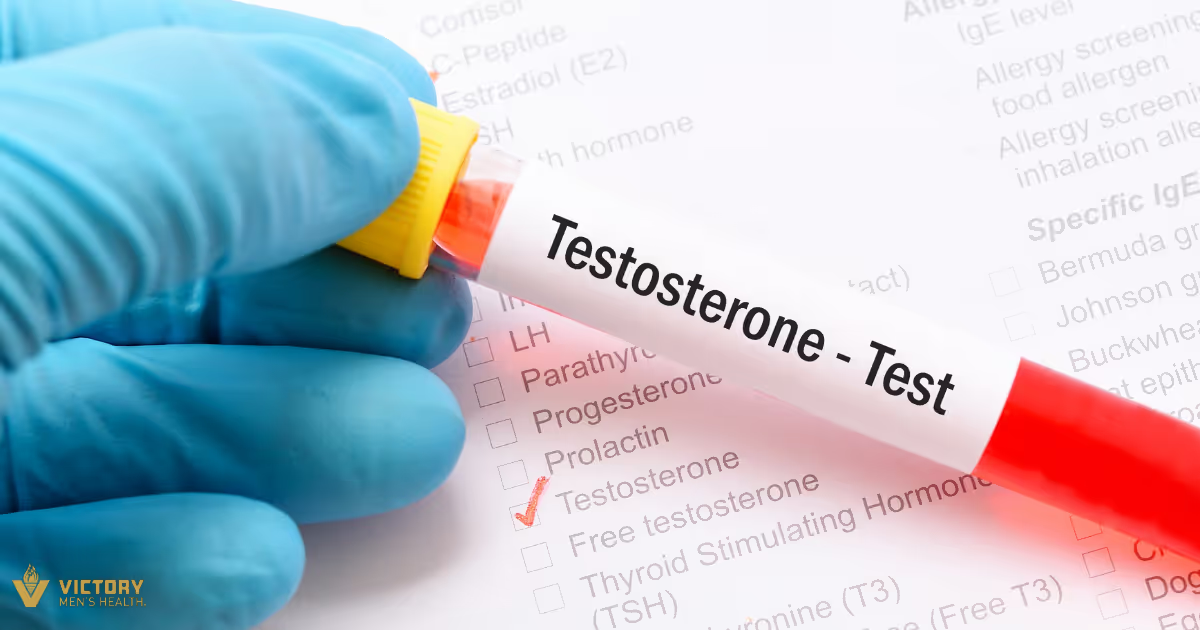
Total testosterone is like the money in your bank account. It tells you the big number, but not how much of it you can actually use. Free testosterone is the cash in your wallet. It’s what’s available to spend right now, and it directly affects how you feel day to day.
Some of your testosterone is “tied up,” just like money in assets like your house or car—it’s there, but not easily accessible. You need both total and free testosterone levels to really understand what’s going on and how to feel your best. A true hormone optimization strategy starts with comprehensive testing, and far too many men never get that opportunity.
Here’s what we look at when testing testosterone:
- Total Testosterone: Measures the amount in your blood, but doesn’t tell you what’s actually usable.
- Free Testosterone: This is the active form that your body can use for things like energy, focus, and sex drive.
- SHBG (Sex Hormone Binding Globulin): A protein that binds to testosterone in your blood, making it unavailable for your body to use. Along with albumin (another blood protein), SHBG is used to calculate your free testosterone levels, which is what really impacts how you feel.
- Estradiol & DHEA: Estradiol helps us see how your testosterone is being metabolized into estrogen, while DHEA gives us a look at your body’s natural hormone production and the building blocks that can turn into testosterone or estrogen.
- LH & FSH: Tell us whether the problem starts in your brain or your testicles (aka root cause).
You need the full panel, not just one number. Even more importantly, you need someone who knows how to interpret it in the context of your symptoms.
Why “Normal” Testosterone Levels Don’t Mean You’re Fine
Just because your labs say you're “normal” doesn’t mean you actually feel normal. Most lab reference ranges for testosterone are based on outdated data pulled from a wide pool of men—many of whom are older, sedentary, or already experiencing chronic illness.
That means the bar for what’s considered “normal” is often far too low to reflect true health or vitality. At Victory Men’s Health, we’ve seen time and time again that men can fall within this so-called normal range and still feel exhausted, irritable, foggy, and disconnected.
What actually matters isn’t whether your number falls in the normal range, but whether your hormones are optimized for you. The optimal range varies from person to person. For one man, it might be 600. For another, it could be 1,000. It all depends on how your body responds.
If your energy, motivation, strength, sex drive, or confidence are in the tank—even if your labs look fine—don’t settle. You deserve more than average. You deserve optimal.
How Long Does It Take for TRT to Work?
Some men think one injection will fix everything. In reality, hormone optimization is a marathon, not a sprint. According to hormone optimization expert Dave Lee, it breaks down like this: there are acute benefits (like improved energy or libido) that kick in within a few weeks, and chronic benefits (like improved body composition and cognitive function) that unfold over months.
He uses a pie chart analogy: early on, you might feel 20% better. But by 6-12 months, that pie fills out—especially if you’re doing your part with movement, diet, sleep, and stress.
Can TRT Work If You Don’t Change Your Lifestyle?
TRT is powerful, but it’s not magic. If you’re still eating garbage, skipping workouts, sleeping 4 hours a night, and feel chronically stressed, you’ll limit your progress and likely deal with more side effects.
The goal of TRT isn’t just to boost low testosterone levels.
It’s to give you the foundation to feel and function like your best self again. That only works when you meet it halfway, which means optimizing your lifestyle with healthy habits. This includes regular exercise, eating a high-protein diet rich in nutrients, and quitting bad habits like smoking.
What Makes a Good TRT Clinic Different?
Finding the right TRT clinic can make or break your experience with testosterone therapy. Too many men end up frustrated, overmedicated, or ignored because they chose a provider that treats testosterone like a quick fix instead of a personalized medical treatment.
The truth is, hormone optimization is both an art and a science. You need a provider who doesn’t just write a prescription, but partners with you to improve how you feel, function, and age long-term. Here’s what to look for in a quality TRT clinic:
- Comprehensive lab testing, including free and total testosterone, SHBG, estradiol, LH, FSH, nutrient levels, blood counts, PSA, and metabolic markers such as A1C.
- A focus on symptoms, not just lab numbers—because “normal” doesn’t always mean optimal
- Customized treatment protocols based on your unique physiology, lifestyle, and goals
- Ongoing monitoring and follow-up to adjust your plan as your body responds
- Education and support so you understand your labs, your options, and what to expect
- Realistic expectations, with a provider who tells you the truth—not what you want to hear
- A long-term strategy, including guidance on nutrition, sleep, fitness, and stress management
At Victory Men’s Health, we believe testosterone therapy should never be rushed or templated. That’s why we do all of the above and more. Our team uses advanced lab work, personalized protocols, and expert education to help men feel their best now and for years to come.
Is Your Testosterone Low? Here’s What To Do Next
If you’ve been dragging through your days, feeling off, and wondering if low testosterone could be the reason, trust that instinct—it’s worth looking into. Many men wait too long to take action because they’re told their labs are “normal” or assume it’s just part of getting older.
But if your energy, drive, focus, or libido has taken a hit, there’s no harm in digging deeper. The key is to stop guessing and start getting real answers with the right testing and support.
Here are your next steps:
- Get a comprehensive hormone panel (not just total testosterone).
- Track your symptoms and how long they’ve been going on.
- Work with an expert provider who understands hormone optimization.
- Focus on long-term health, not just a short-term fix.
Common Questions About Low Testosterone & TRT
What is a Good Testosterone Level for Men?
That depends on the individual, but many men feel their best between 800–1100 ng/dL. The key is where you feel and function your best, not a rigid number.
What’s the Difference Between Free and Total Testosterone?
Total testosterone includes everything in your bloodstream. Free testosterone is the small portion your body can actually use—and that’s what really matters.
Can You Have Low T Even if Your Labs are Normal?
Yes. You can be in the "normal" range and still feel awful. Symptoms plus a full hormone panel give the true answer.
Will Insurance Cover TRT?
Sometimes, but coverage is limited and often tied to outdated lab ranges. We offer transparent pricing and personalized care that prioritizes outcomes, not insurance hoops.
How Long Should I Stay on Testosterone Therapy?
Most men stay on TRT long term, as levels usually drop back to baseline if you stop. The goal is sustainable optimization with proper monitoring by a healthcare provider you trust.
Can TRT Help with Mental Health or Anxiety?
Absolutely. Low T is often linked to mood issues, and many men report better outlook, confidence, and resilience after starting TRT.
Optimize Your Testosterone with Victory Men’s Health
If there’s one thing we hope you take away from this: you don’t have to settle for feeling “fine.” Symptoms like low motivation, poor sleep, or brain fog aren’t just part of aging—and they shouldn’t be brushed off as normal.
When your testosterone isn’t optimized, it impacts everything from your physical strength to your mental sharpness and emotional well-being. You deserve real answers and real solutions, not guesswork or generic treatment plans.
At Victory Men’s Health, we go beyond the standard lab work to look at your full hormone picture, your symptoms, and your long-term goals. We’re here to help you take back control.
Book a consultation today and let’s get you back to feeling like yourself again.

Related Resources

What Big Pharma Companies Don’t Want You To Know About TRT
Why Most Testosterone Gels Don’t Work (& What Makes Transcrotal Cream Different)

FDA Testosterone Panel: Are We Finally Done With Fear-Based TRT Policy?
Oral Testosterone: How Kyzatrex Compares to Injections and Gels

HCG on TRT for Fertility: The Key to Keeping Your Options Open

Can Low Testosterone Cause Hair Loss? Here’s What to Know

TRT Risk 101: The Trouble With Using TRT as a Shortcut

12 Foods That Increase Testosterone Naturally

You Don’t Need an Aromatase Inhibitor on TRT, Here’s Why

Enclomiphene for Low Testosterone: Does It Work?

Should You Supplement with DHEA? Here’s What to Know

Zinc Benefits for Men: Testosterone, Prostate Health & More
Free vs. Total Testosterone: What to Know & Why It Matters

When to Take Magnesium Glycinate for the Best Results
At Home Testosterone Tests: Do They Really Work?

Low Testosterone Levels? Avoid These 4 Bad Habits

Testosterone Boosters for Men: What They Are & What to Know

TRT Clinic Warning Signs (& What to Look For Instead)

TRT Side Effects: The Real Cause & How to Fix Them

Dopamine and Testosterone: What’s the Connection?

Testosterone FDA Update: The Truth About TRT & Heart Health

TRT & Fertility: What Our Patients Experience

TRT Dosing: How Much Testosterone Is Too Much?

High Testosterone in Women: What Causes It?

Akkermansia for Gut Health: Skip or Try?
Need-To-Know Supplements for Men on Hormone Therapy
Nitric Oxide and Erections: What’s the Link?

How Much Melatonin Should I Take?

Alcohol and Testosterone Levels: What’s the Link?

How to Boost Testosterone Naturally
The Best Peptides for Fat Loss | Results Our Clients See
Do Penis Enlargement Pills Actually Work?

How to Inject Testosterone

Is Edging Bad For Testosterone?
Do Antidepressants Lower Testosterone Levels?
Testosterone Levels: What Is The Ideal Number?

Does Metformin Lower or Increase Testosterone?

Imported item 60

TRT Options: Should I Use an Injection, Cream, or Pellets?
DHT Hair Loss: Do You Actually Lose Hair Taking Testosterone?
Testosterone Therapy Timeline: What Should You Expect?
Pregnenolone For Men | Side Effects, Results, & Where to Find It

Hormone Belly | How To Treat It Effectively & For Good!

How Long Does It Take Testosterone Replacement Therapy (TRT) To Work?

Legal Muscle: Exploring the World of Performance Enhancement with Attorney Rick Collins

Testosterone Myths and Misconceptions; BUSTED PART 2

Testosterone Boosters - Boost or Bust

Testosterone Myths and Misconceptions; BUSTED PART 3

Testosterone Myths and Misconceptions; BUSTED PART 1

Testosterone Cream for Men: Is It Better Than Injections?

Testosterone and the Everyday Athlete