Ketamine Therapy: Are The Side Effects Worth It?

Jump to
At Victory Men's Health, we're passionate about exploring and evaluating the latest health trends and treatments to determine what truly benefits men's health. One emerging trend that has caught our attention is ketamine therapy.
While this isn't a service we currently offer, we are keenly interested in understanding its potential benefits and how it might fit into the broader landscape of men's health. In this blog post, we’ll delve into what ketamine is, the various ways it can be administered, its safety profile, and its FDA approval status.
What is Ketamine?
Ketamine is a medication originally developed in the 1960s as an anesthetic for humans and animals. It works by blocking NMDA receptors in the brain, which are involved in the transmission of pain and the regulation of mood. Due to its dissociative effects, ketamine can induce a trance-like state, providing pain relief, sedation, and amnesia.
Dr. Lovat, the owner of Firefly Medical, shared in a recent episode of the podcast "Women Want Strong Men," that "ketamine appears to affect the brain's ability to form new connections, new neurons. It seems to be a way to turn down pain centrally, in the actual brain versus peripherally."
In recent years, ketamine has gained attention for its off-label use in treating depression, anxiety, PTSD, and chronic pain. Unlike traditional antidepressants that can take weeks to show effects, ketamine can provide rapid relief, often within hours. This has made it a promising option for those who have not responded to conventional treatments.
Ketamine carries a significant stigma, largely due to its history and classification as a drug. It is classified as a Schedule III controlled substance in the United States, meaning it has a recognized medical use but also a potential for abuse and dependency.
This dual identity—as both a legitimate medical treatment and a recreational drug—adds to the stigma around its use.
Let’s talk about this more.
https://www.youtube.com/watch?v=F2hm7cLAbWg
When administered by a qualified healthcare provider, ketamine infusions are generally safe. However, like any medication, there are potential risks and side effects.
Dr. Lovat emphasized the safety of ketamine, stating, "One of the reasons I love ketamine in the ER is people keep breathing on their own and they don't get low blood pressure. So we don't have to intubate them and we don't have to whip out any fancy medicines to rescue them."
When abused, ketamine can lead to a range of negative physical and psychological effects. Users may experience:
- intense dissociation
- hallucinations
- Feeling detached from reality
Ongoing use will lead to dependency and addiction, making it crucial to use ketamine only under medical supervision and for legitimate therapeutic purposes.
When we discuss ketamine therapy, we are specifically referring to its use under medical supervision in safe, controlled amounts, not misuse or abuse.
Why do people take ketamine or do ketamine infusions?
The resurgence of interest in ketamine is largely due to its potential benefits for mental health and chronic pain management. Here are a few reasons ketamine infusions have become so prominent.
Ketamine is primarily used for…
Anesthesia: Its primary medical use is to induce and maintain anesthesia during surgeries and other medical procedures. Dr. Lovat emphasized the safety of ketamine, stating, "One of the reasons I love ketamine in the ER is people keep breathing on their own and they don't get low blood pressure. So we don't have to intubate them and we don't have to whip out any fancy medicines to rescue them."
Rapid Relief for Depression: Not only do traditional antidepressants not work immediately, but they don’t improve symptoms in up to 60% of patients and may have side effects that cause patients to discontinue use. In contrast, ketamine can alleviate depressive symptoms within hours, making it a game-changer for those with severe or treatment-resistant depression. Dr. Lovate mentions in our podcast episode together, "Ketamine has opened new doors in psychiatric treatment, offering hope where conventional medications have failed."
Effective for PTSD and Anxiety: Studies have shown that ketamine can reduce symptoms of PTSD and anxiety, providing relief for those who have not found success with other treatments. "Patients often describe a sense of calm and clarity post-infusion, something they haven't felt in years," says Dr. Lovat.
One of the reasons ketamine is so attractive for treating mental health conditions like PTSD and depression is its hallucinogenic and dissociative effects. These effects help to break down entrenched negative thought patterns and facilitate new neural connections.
However, it's crucial to strike the right balance. Inducing these effects slightly can be therapeutic, but excessive dissociation can lead to dependency. That's why it's important to have a healthcare professional guide the process, ensuring the treatment is both safe and effective. They monitor the dosage and response carefully, optimizing the therapeutic benefits while minimizing risks.
Chronic Pain Management: Ketamine’s analgesic properties make it an effective option for chronic pain conditions, including fibromyalgia and complex regional pain syndrome (CRPS). Its ability to interrupt pain signals and reduce central sensitization can provide significant pain relief.
FAQs
How does Ketamine Therapy work?
Ketamine therapy creates a mild state of dissociation, which helps patients work through traumatic memories and negative thought patterns. This effect helps form new neural connections, reducing symptoms of depression and anxiety. Healthcare professionals carefully monitor the dosage to ensure you get the most benefit while minimizing any risks.
Are Ketamine Infusions the Only Way to Take It?
Ketamine can be administered in several ways, with infusions being just one method. Here are the different ways ketamine can be taken:
- Intravenous (IV) Infusions: This is the most common method for administering ketamine for psychiatric and chronic pain conditions. It involves receiving the medication through a vein, allowing for precise control over the dosage and rapid onset of effects.
- Intramuscular (IM) Injections: Ketamine can also be administered via injection into a muscle. This method is less common but can be used in certain clinical settings.
- Nasal Spray: Esketamine (Spravato) is an FDA-approved nasal spray for treatment-resistant depression. It offers a non-invasive alternative to infusions and can be administered under medical supervision.
- Oral and Sublingual Tablets: These forms are less commonly used for psychiatric purposes due to variable absorption rates and less predictable effects. They are sometimes prescribed for chronic pain management.
Each method has its pros and cons depending on the setting and use, but IV infusions are often preferred for their quick and potent effects.
Is Ketamine Safe?
Safety is a large concern since there is such a large stigma around ketamine. Ketamine is generally considered safe when administered by trained healthcare professionals in a controlled setting. However, as with any medication, there are potential risks and side effects.
Ketamine side effects include:
- Dissociation or hallucinations
- Increased Blood Pressure and Heart Rate:
- Nausea and Vomiting
- Drowsiness
Dr. Lovat shared, "We have to monitor vital signs and make sure patients are not falling asleep or overdosed. The most common complication is nausea or vomiting, which we have medications for. Most people tolerate it really well." It’s vital to undergo ketamine treatment under the guidance of a qualified healthcare provider who can monitor for these adverse effects.
Is Ketamine FDA Approved?
Ketamine itself is FDA-approved as an anesthetic. However, its use for mental health conditions, particularly in infusion form, is considered off-label.
The nasal spray version, esketamine (Spravato), is FDA-approved for treatment-resistant depression. This distinction is important because while ketamine infusions show promise, they are not universally covered by insurance and are typically available through specialized clinics.
How much does Ketamine Therapy cost?
The cost of ketamine therapy can vary depending on the provider and the specific treatment plan. Dr. Lovat mentioned that each infusion session typically lasts about 40 minutes, and patients often undergo treatments twice a week for four to six weeks. Additional costs may be associated with medical exams, blood work, and follow-up sessions.
How long does each session take?
Each ketamine infusion session lasts about 40 minutes. Patients usually undergo treatments twice a week for four to six weeks, with the possibility of maintenance sessions based on their needs.
Is ketamine therapy worth it?
Ketamine infusions might be an option for you if:
- You have treatment-resistant depression or anxiety that hasn't responded to traditional therapies.
- You suffer from PTSD or chronic pain conditions.
- You are looking for a potential alternative to traditional mental health medications.
However, it's important to consult with a healthcare provider to determine if ketamine is appropriate for your individual health needs. Dr. Lovat shared, "Usually, we have to do a screening medical exam and some blood work to make sure they have normal kidney function, liver function, etc. Then going through a consent process, having a designated driver, and then it's about a 40-minute infusion."
Considerations and Next Steps
While ketamine infusions offer promising benefits, they are not a one-size-fits-all solution. It’s essential to consider your individual health needs, discuss potential treatments with a healthcare provider, and weigh the benefits against the risks. At Victory Men's Health, we are committed to staying at the forefront of medical advancements and exploring treatments that genuinely move the needle for men's health.
Although we do not currently offer ketamine infusions, we continue to evaluate emerging therapies to ensure we provide our patients with the best possible care. We offer a wide variety of services and therapies to help men feel their very best - hormone optimization, ED treatment, micronutrient testing, weight management, and IV therapy just to name a few.
Contact us to schedule a consultation and optimize your health today.
Are you interested in trying ketamine therapy? Do you have any questions we could answer in an upcoming YouTube video? Tell us in the comments!

Related Resources

Research Use Only Peptides: Why the FDA Is Ending the RUO Era

TB006 for Alzheimer’s: What We Know So Far About This Galectin-3 Therapy

Do I Need Liver Supplements? Here’s What to Know

How to Increase Sperm Count: 7 Ways to Boost Male Fertility

Best Nitric Oxide Foods for Better Blood Flow & Sexual Health

Thyroid Problems in Men: Symptoms to Watch For & What to Do

Vitamin B12: How Much Per Day Should You Take?

Iron Deficiency Symptoms to Watch For

Magnesium Glycinate vs. Magnesium Citrate: Which is Better?

Vitamin D3 and K2: Why You Should Take Them Together
Prebiotic vs. Probiotic Supplements for Gut Health: What’s the Difference?

Do Supplements for Muscle Building Work? What We Tell Our Patients

Insulin Resistance Symptoms (& How To Fix It)

What Is Carrageenan and Is It Dangerous?

Creatine Benefits for Men (Beyond Muscle Growth)

Melatonin for Sleeping: Why it’s Not Working & How to Fix It
Male Birth Control: What to Know About ‘The Pill’ for Men

Prostate Cancer Symptoms: What Joe Biden’s Diagnosis Means for Men Over 40

What is PEMF Therapy? Everything You Need to Know

Brain Peptides: Can They Actually Boost Cognitive Function?

TMG Supplements: Why Biohackers Can’t Get Enough

MTHFR Gene Mutation Symptoms: What Your Lab Work Isn't Telling You

The Best Health Screenings for Men (& When to Get Them)
Methylated Multivitamins: Should You Make the Switch?

Hydrogen Water: What to Know About the Biohack Gary Brecka Swears By

Telomere Testing: Can You Reverse Your Biological Age?

Men & Progesterone: Why You Should Avoid This Hormone Like the Plague
The Best Anti-Aging Supplements For Men

NAD: Side Effects & Benefits No One Is Talking About

Can Hormone Replacement Therapy Increase Cancer Risk?

Sperm Testing for Men: What to Know & Where to Go
Hormone Replacement Therapy for Men vs. Women

Low Progesterone Symptoms in Women (& What To Do About It)

Tirzepatide for Weight Loss: How Does It Work?

PT-141 for Men: Is it Better Than Viagra?
Coconut Oil as Lube: Here’s Why You Should Avoid It
Are Peptides FDA-approved?

Why You Should Reconsider Using PPI Drugs Long-Term

Statins vs. Estradiol: Which is Better for Heart Health?

Post-Finasteride Syndrome: What You Need to Know

Can Lack of Sleep Lower Testosterone?

Methylation Testing 101: Is it the Key to Healthy Aging?
Red Light Therapy for Pain Relief

What Are Food Sensitivity Tests and How Do They Work?

Insulin Resistance & PCOS Symptoms: The Labs You Should Request with Angie Nichols
How to Make Semaglutide Work Better & Faster

Creatine For Women: Here’s What To Know
6 Symptoms of Low Nitric Oxide | Symptoms To Watch For
“Am I At Risk For A Heart Attack?!” How We Screen Patients in 2024

How to Last Longer in Bed: 10 Proven Tips from Men's Health Experts

Micronutrient Testing: What Your Results Actually Mean

What is Sermorelin? Let's Talk Risks & Benefits for Men

Does A Myer's Cocktail Actually Work? Here's What We've Seen.

Male Fertility Tests | What's Next For Male Fertility?
Is A Healthy Gut the Key to Weight and Blood Sugar Control?
Is A Healthy Gut the Key to Weight and Blood Sugar Control?
Can You Actually Lower Your Cortisol Levels? | What We Know (& What To Take)

Light: The missing piece of the wellness puzzle

You Don't Need To Be Sick To Get An IV!
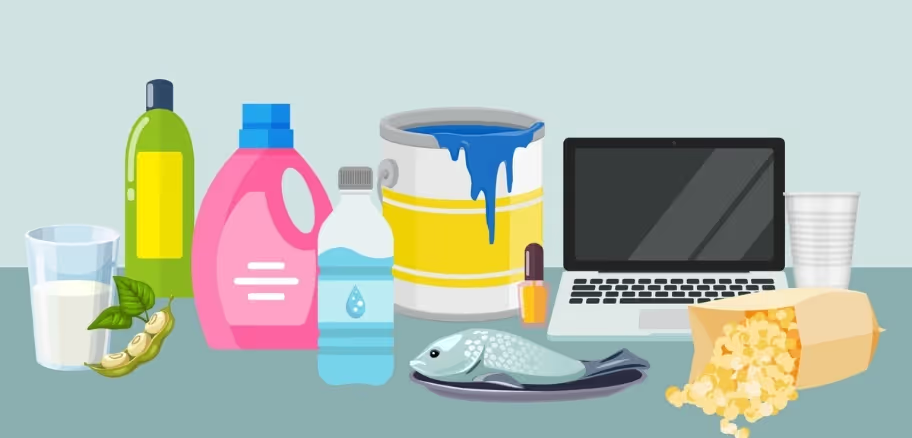
Endocrine Disruptors: The Frightening Truth

Nitric Oxide for Men’s Health: Insights from Dr. Nathan Bryan & Amy Stuttle
Micronutrient Testing: What You Should Know
What Is BPH? Understanding Enlarged Prostate & How to Fix It

Sex on a Screen: Free Adult Entertainment Comes with a Cost

You Are What You Eat & You Will Want to Eat More of this Fat!

Glutathione Benefits for Men: The Antioxidant You’re Probably Missing

How to Sleep Better: 7 Strategies for Deeper Sleep

Supplements for Men’s Health: Medical-Grade vs. Over-the-Counter
Why You Should Worry About The Fat You Can't See

Nitric Oxide Benefits for Men: Boost Energy, Circulation, & Sexual Health

What is the Difference Between Lean Body Mass and Muscle Mass?
Cortisol Levels Explained: How to Lower Cortisol for Better Health

Vitamin D for Men: Are You Getting Enough of the Sunshine Vitamin?

Understanding Human Chorionic Gonadotropin (HCG)

Sermorelin Therapy: A Smarter Approach to HGH Restoration

Tony La Russa Endorses Local Business Victory Men's Health