Micronutrient Testing: What You Should Know
Jump to
Today we live in a society of OVEReating and UNDERnourishment. It’s estimated 1 in 3 Americans are deficient in at least 10 key minerals. Those numbers are no surprise given an increase in processed foods and nutrient poor soil. What’s worse is there is no routine testing performed to identify your levels.
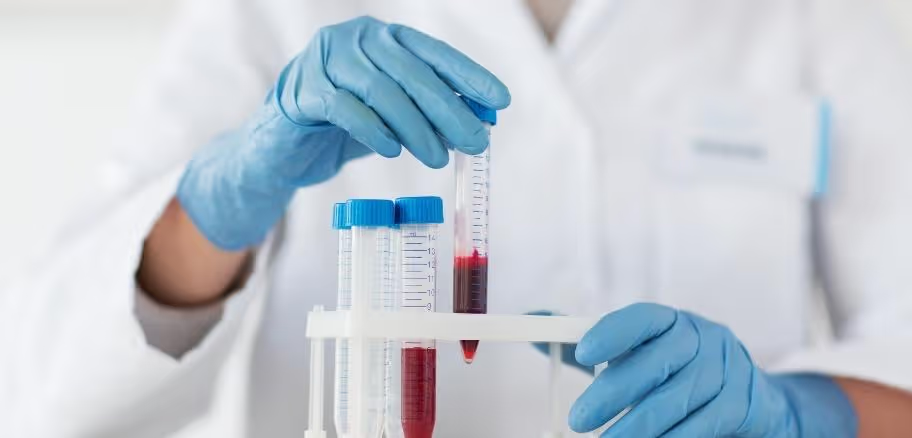
Blood testing provides a powerful tool to improve your mental and physical performance, reduce your future risk of chronic disease, and increase your longevity. It is well known that blood tests are used to diagnose disease — but blood work is most powerful when used to monitor your health in a more proactive way.
Blood tests allow you to take an inside look at your body and how it functions. Getting regular blood work is the closest thing we have to x-ray vision to see inside the body. Understanding your blood biomarkers — the molecular signs of health — will help you make more informed decisions about your diet, lifestyle, fitness, and supplement choices.

Extracellular vs. Intracellular Testing
Serum testing is a simple lab test that determines what is in the liquid part of your blood. It tests what is floating or passing through your body in that moment of time and is measured outside of the cells (extracellular).
Alternatively, a test that measures inside your red and white blood cells (intracellular) would be the most adequate way to measure because it looks at the nutrient status inside.
Extracellular can be misleading as it doesn’t truly indicate what your body is absorbing at a cellular level/functional need. Metabolism, protein synthesis, hormone production and detoxification all occur inside. Therefore, measuring the outside cells tells you nothing about these important functions! Imagine this scenario, you’re dehydrated and desperately thirsty. You jump into a pool but don’t drink the water. What happens to your thirst? Nothing. Because you didn’t drink the water, it didn’t make its way into your body. Just like the pool water and dehydration, your body could potentially be denied of essential vitamins and nutrients because they aren’t making their way into your cells even if your serum results show they are surrounded by the cell itself.

A common example of the powerful difference between results with extracellular (serum) vs. intracellular is a B12 deficiency. Your serum test results come back within normal reference range, but you're still feeling symptoms of chronic fatigue. You seek out an intracellular test to see if your cells are truly absorbing B12. You may discover that you’re not only low or deficient, but that it’s also the case for all your B vitamins! B1, B2, B3, B5, B6, B12 and folate are all cofactors necessary for converting food into energy. Unfortunately, you won't make this essential discovery through just a serum test. Serum levels often fall in the normal range when a true intracellular deficiency exists. Deficiency of a nutrient can cause cellular disruption. If your cells aren’t functioning, your body isn’t either! Additionally, serum tests can be transient, meaning it fluctuates greatly and your results may not always be truly accurate. The lifespan of cells tested in intracellular testing are about 4-6 months, so it displays your nutrient status over a period of months, not days or hours.
Why is serum testing so commonly used?
It's widely available, easy to perform, inexpensive and the way it's been done for decades. Reference ranges are well understood and easy for your doctor to check or uncheck a box for your results. The truth is that intracellular testing is much more clinically informative. Not only will you know what your body needs to function properly, you'll also obtain valuable information on how to best boost your levels. Often based on the results of your test, people may be able to supplement some of what their body needs through dietary and lifestyle changes.
Who should test?
Everyone is a good candidate for intracellular testing! Whether or not you have symptoms, it’s still beneficial to know what your body needs. There are a number of chronic conditions caused by micronutrient deficiencies including migraines, fatigue, autism, inflammation, osteoporosis and mood disorders. The amount of each nutrient you need varies from person to person and depends on genetics, age, overall health, pregnancy/breastfeeding, and the amount of physical activity you do at what intensity level. It’s important to understand that even though you may be consuming an adequate diet, your intake levels may not be sufficient and still provide risks for deficiencies and the disorders associated with them. So, if you don’t eat a wide range of foods in your diet, you’re especially a good candidate for testing!
How do I get tested?
For more information on Intracellular (Micronutrient) testing contact 618.632.9000 (O’Fallon, IL) or 314.833.9000 (Town and Country, MO).
Resources:

Related Resources

Research Use Only Peptides: Why the FDA Is Ending the RUO Era

TB006 for Alzheimer’s: What We Know So Far About This Galectin-3 Therapy

Do I Need Liver Supplements? Here’s What to Know

How to Increase Sperm Count: 7 Ways to Boost Male Fertility

Best Nitric Oxide Foods for Better Blood Flow & Sexual Health

Thyroid Problems in Men: Symptoms to Watch For & What to Do

Vitamin B12: How Much Per Day Should You Take?

Iron Deficiency Symptoms to Watch For

Magnesium Glycinate vs. Magnesium Citrate: Which is Better?

Vitamin D3 and K2: Why You Should Take Them Together

Prebiotic vs. Probiotic Supplements for Gut Health: What’s the Difference?

Do Supplements for Muscle Building Work? What We Tell Our Patients

Insulin Resistance Symptoms (& How To Fix It)

What Is Carrageenan and Is It Dangerous?

Creatine Benefits for Men (Beyond Muscle Growth)

Melatonin for Sleeping: Why it’s Not Working & How to Fix It

Male Birth Control: What to Know About ‘The Pill’ for Men

Prostate Cancer Symptoms: What Joe Biden’s Diagnosis Means for Men Over 40

What is PEMF Therapy? Everything You Need to Know

Brain Peptides: Can They Actually Boost Cognitive Function?

TMG Supplements: Why Biohackers Can’t Get Enough

MTHFR Gene Mutation Symptoms: What Your Lab Work Isn't Telling You

The Best Health Screenings for Men (& When to Get Them)

Methylated Multivitamins: Should You Make the Switch?

Hydrogen Water: What to Know About the Biohack Gary Brecka Swears By

Telomere Testing: Can You Reverse Your Biological Age?

Men & Progesterone: Why You Should Avoid This Hormone Like the Plague

The Best Anti-Aging Supplements For Men

NAD: Side Effects & Benefits No One Is Talking About

Can Hormone Replacement Therapy Increase Cancer Risk?

Sperm Testing for Men: What to Know & Where to Go
Hormone Replacement Therapy for Men vs. Women

Low Progesterone Symptoms in Women (& What To Do About It)

Tirzepatide for Weight Loss: How Does It Work?

PT-141 for Men: Is it Better Than Viagra?
Coconut Oil as Lube: Here’s Why You Should Avoid It

Are Peptides FDA-approved?

Why You Should Reconsider Using PPI Drugs Long-Term

Statins vs. Estradiol: Which is Better for Heart Health?

Post-Finasteride Syndrome: What You Need to Know

Can Lack of Sleep Lower Testosterone?

Methylation Testing 101: Is it the Key to Healthy Aging?

Red Light Therapy for Pain Relief

What Are Food Sensitivity Tests and How Do They Work?

Insulin Resistance & PCOS Symptoms: The Labs You Should Request with Angie Nichols
How to Make Semaglutide Work Better & Faster

Creatine For Women: Here’s What To Know
6 Symptoms of Low Nitric Oxide | Symptoms To Watch For
“Am I At Risk For A Heart Attack?!” How We Screen Patients in 2024

How to Last Longer in Bed: 10 Proven Tips from Men's Health Experts

Ketamine Therapy: Are The Side Effects Worth It?

Micronutrient Testing: What Your Results Actually Mean

What is Sermorelin? Let's Talk Risks & Benefits for Men

Does A Myer's Cocktail Actually Work? Here's What We've Seen.

Male Fertility Tests | What's Next For Male Fertility?
Is A Healthy Gut the Key to Weight and Blood Sugar Control?
Is A Healthy Gut the Key to Weight and Blood Sugar Control?
Can You Actually Lower Your Cortisol Levels? | What We Know (& What To Take)

Light: The missing piece of the wellness puzzle

You Don't Need To Be Sick To Get An IV!

Endocrine Disruptors: The Frightening Truth

Nitric Oxide for Men’s Health: Insights from Dr. Nathan Bryan & Amy Stuttle

What Is BPH? Understanding Enlarged Prostate & How to Fix It

Sex on a Screen: Free Adult Entertainment Comes with a Cost

You Are What You Eat & You Will Want to Eat More of this Fat!

Glutathione Benefits for Men: The Antioxidant You’re Probably Missing

How to Sleep Better: 7 Strategies for Deeper Sleep

Supplements for Men’s Health: Medical-Grade vs. Over-the-Counter

Why You Should Worry About The Fat You Can't See

Nitric Oxide Benefits for Men: Boost Energy, Circulation, & Sexual Health

What is the Difference Between Lean Body Mass and Muscle Mass?

Cortisol Levels Explained: How to Lower Cortisol for Better Health

Vitamin D for Men: Are You Getting Enough of the Sunshine Vitamin?

Understanding Human Chorionic Gonadotropin (HCG)

Sermorelin Therapy: A Smarter Approach to HGH Restoration

Tony La Russa Endorses Local Business Victory Men's Health