Testosterone FDA Update: The Truth About TRT & Heart Health

Jump to
For years, men considering testosterone replacement therapy (TRT) have been bombarded with heart health concerns. Could TRT increase cardiovascular risk? Will it raise the chances of a stroke? These fears have kept many from pursuing treatment that could significantly improve their quality of life. But now, we finally have the testosterone FDA update we’ve been waiting for.
Prompted by an FDA mandate, the TRAVERSE study confirms what we've known for years: testosterone therapy does not increase cardiovascular risk.
The U.S. Food and Drug Administration (FDA) recently announced a major update to testosterone product labeling, based on clinical trials that examined its cardiovascular effects. The results showed no increased risk of adverse cardiovascular events in men using TRT for hypogonadism (aka low testosterone caused by a medical condition).
This is exciting news, both for men’s health and for our team at Victory Men's Health, where we’ve always believed in providing safe, life-changing treatments for men. Now, we’re breaking down what this FDA update means for you, how TRT really affects heart health, and what to know before starting your hormone optimization journey.
Testosterone FDA Update on Cardiovascular Risk
If you’ve ever looked into testosterone therapy only to be met with warnings that it could increase your risk of heart attacks or strokes, you’re not alone. Old, outdated studies led to cautionary labeling on TRT products. As a result, many were made to believe that boosting their testosterone levels could come at the cost of their cardiovascular health.
Now, the latest research has debunked the concern about TRT and heart health.
A large clinical trial studied the effects of TRT in middle-aged and older men with hypogonadism. All participants had preexisting cardiovascular disease or were at high risk—and the study found no increased risk of heart disease, strokes, or other major cardiovascular events. In response to these findings, the FDA has updated labeling on testosterone products to reflect the lack of increased cardiovascular risk.
The TRAVERSE study was funded by testosterone product manufacturers in response to a 2015 FDA mandate requiring further research on TRT and cardiovascular outcomes. The study was independently overseen by the Cleveland Clinic Coordinating Center for Clinical Research.
Key Takeaways from the FDA’s Testosterone Update:
- No increased cardiovascular risk. The study found no evidence that TRT raises the likelihood of heart attacks, strokes, or other heart-related issues.
- Updated labeling reflects the latest science. The FDA is removing the outdated warning that TRT could increase cardiovascular risk.
- New warning on blood pressure. Some testosterone products will now include a new warning about potential increases in blood pressure, based on separate postmarket studies.

This is a major win for men’s health and a big step toward clearing up misconceptions about TRT. Men can feel more confident in seeking treatment, knowing that TRT, when used appropriately and under medical supervision, is both safe and effective.
Is Testosterone Therapy Safe for All Men?
If you’ve been hesitant about TRT because of heart health concerns, this new research should provide some much-needed reassurance. While the TRAVERSE trial is now the largest study confirming TRT’s cardiovascular safety, it builds on years of prior research supporting the same conclusion.
That said, not all doctors stay current with the latest findings—so if your PCP or cardiologist still expresses outdated concerns, sharing this new information with them may be helpful. As always, testosterone therapy should be used under proper medical supervision and tailored to your individual needs.
So, Who is TRT For?
The FDA-approved use of testosterone therapy is for men who have clinically diagnosed hypogonadism, meaning they have a medical condition that causes low testosterone levels. It is not FDA-approved simply for age-related testosterone decline.
At Victory Men’s Health, we take a personalized, evidence-based approach to TRT. That means:
- Comprehensive testing to determine if you have low testosterone, and its root cause.
- Customized treatment plans to fit your unique health needs.
- Ongoing monitoring to ensure your therapy is safe and effective.
TRT and Blood Pressure: What You Should Know
While this new testosterone FDA update confirms that TRT does not increase cardiovascular risk, it now requires some formulations to include a warning about potential blood pressure increases. Here’s what you need to know about TRT and blood pressure.
How Does TRT Affect Blood Pressure?
Some forms of testosterone, particularly oral testosterone, may lead to slight increases in blood pressure. This is based on separate post-market studies that examined blood pressure effects in certain groups of men on TRT. Injections, creams, and patches may have different effects.
Some studies suggest that these delivery methods have minimal impact on blood pressure, but individual responses can vary. It’s also worth noting that testosterone plays a role in blood vessel function. It can increase red blood cell production, which may contribute to higher blood pressure in some individuals.
Should Men With High Blood Pressure Avoid TRT?
Not necessarily—the key is proper monitoring. If you have high blood pressure or are at risk, our team will monitor it closely and adjust your TRT plan if needed. This is why working with a trusted provider is so important. Your health should never be a guessing game.
Ways to Optimize Heart Health on TRT
Testosterone therapy can be a life-changing treatment, but it’s most effective when combined with a heart-healthy lifestyle. We encourage every man on TRT to take a proactive approach to their overall well-being. Here are some ways to support your heart health while on TRT:
- Focus on a nutrient-dense diet. Eat plenty of lean proteins, healthy fats, and fiber-rich foods to support hormone balance and cardiovascular health.
- Exercise regularly. Strength training helps improve metabolic health and improve your response to testosterone therapy. Cardiovascular workouts keep your heart strong and help you maintain a healthy weight, which will prevent side effects and optimize the benefits of TRT.
- Monitor your blood pressure. Regular check-ups ensure that your TRT plan is working for you, not against you.
- Practice stress management. Chronic stress leads to increased cortisol levels, which can negatively impact testosterone and heart health.
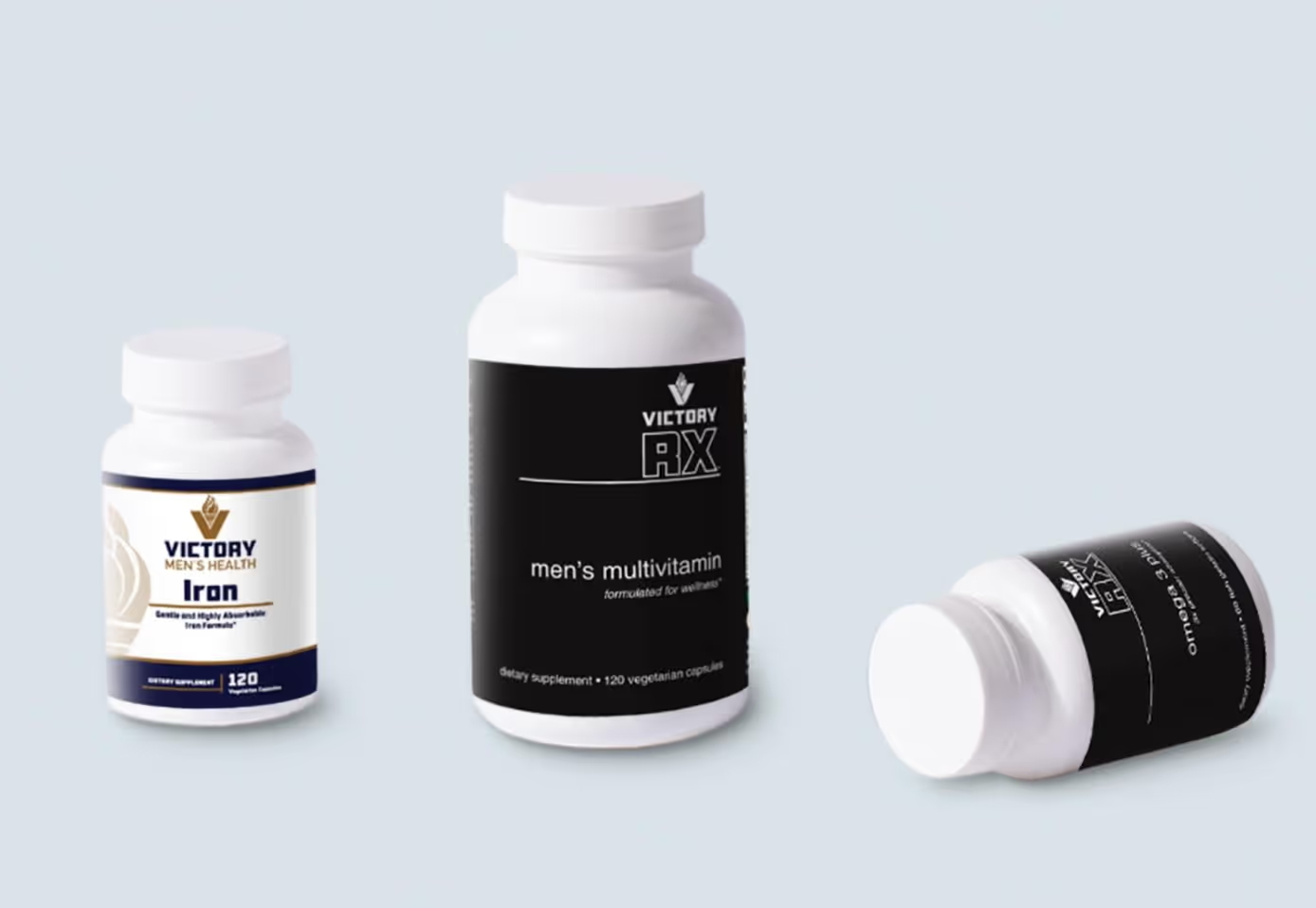
- Consider supplements that support cardiovascular health. Omega-3 fatty acids, CoQ10, and magnesium can be beneficial for both heart and hormone health.

By following these strategies, you can maximize the benefits of TRT while protecting your long-term health.
TRT Benefits Our Patients See
Testosterone therapy isn’t just about increasing numbers on a lab test—it is about helping men feel like themselves again. We’ve seen firsthand how TRT can transform the lives of our patients, and we’re committed to helping every man achieve optimal health. Everyone’s different, which is why we customize each treatment plan to ensure the best possible results.
Many of our patients report the following TRT benefits:
- Increased energy and stamina
- Improved mental clarity and focus
- Stronger muscle mass and better recovery
- A boost in libido and sexual performance
- Better mood and confidence
- Improved overall well-being
How to Get Started on Testosterone Therapy
If you’re tired of feeling sluggish, unmotivated, and not like yourself, it may be time to consider TRT. Getting started is simple, and we’ll guide you through every step. Here’s a closer look at what the process entails:
- Schedule a consultation. Meet with our expert team to discuss your symptoms, concerns, and goals.
- Complete medical history and blood work. You’ll fill out a medical history questionnaire, and we’ll evaluate your testosterone levels and other key health markers in a comprehensive blood panel.
- Receive a personalized treatment plan. If TRT is right for you, we customize a plan based on your unique needs.
- Begin therapy with ongoing monitoring. We track your progress, adjust dosages as needed, and ensure safety throughout your testosterone journey.
- Experience the benefits of balanced testosterone. Over time, you may notice real improvements in your energy, strength, libido, and overall well-being.
Start Your TRT Journey With Confidence
Thanks to the latest testosterone FDA update, it’s clear that TRT does not increase heart risk when used for medically diagnosed low testosterone. This science-backed win reinforces our belief that, when done right, testosterone therapy isn’t just safe—it’s life-changing.
If you’ve been holding back because of outdated concerns, now is the time to move forward with confidence. Whether you’re battling fatigue, struggling with low libido, or just not feeling like yourself anymore, TRT could be the answer you’ve been looking for.
Ready to take control of your hormone health? Book a consultation today, and let’s get you back to feeling like the man you’re meant to be.

Related Resources

What Big Pharma Companies Don’t Want You To Know About TRT
Why Most Testosterone Gels Don’t Work (& What Makes Transcrotal Cream Different)

FDA Testosterone Panel: Are We Finally Done With Fear-Based TRT Policy?

Oral Testosterone: How Kyzatrex Compares to Injections and Gels

HCG on TRT for Fertility: The Key to Keeping Your Options Open

Can Low Testosterone Cause Hair Loss? Here’s What to Know

TRT Risk 101: The Trouble With Using TRT as a Shortcut

12 Foods That Increase Testosterone Naturally

You Don’t Need an Aromatase Inhibitor on TRT, Here’s Why

Enclomiphene for Low Testosterone: Does It Work?

Should You Supplement with DHEA? Here’s What to Know

Zinc Benefits for Men: Testosterone, Prostate Health & More
Free vs. Total Testosterone: What to Know & Why It Matters

When to Take Magnesium Glycinate for the Best Results
At Home Testosterone Tests: Do They Really Work?

Low Testosterone Levels? Avoid These 4 Bad Habits

Testosterone Boosters for Men: What They Are & What to Know

TRT Clinic Warning Signs (& What to Look For Instead)

Is Your Testosterone Low? Why Most Doctors Aren’t Testing the Right Levels

TRT Side Effects: The Real Cause & How to Fix Them

Dopamine and Testosterone: What’s the Connection?

TRT & Fertility: What Our Patients Experience

TRT Dosing: How Much Testosterone Is Too Much?

High Testosterone in Women: What Causes It?

Akkermansia for Gut Health: Skip or Try?
Need-To-Know Supplements for Men on Hormone Therapy
Nitric Oxide and Erections: What’s the Link?

How Much Melatonin Should I Take?

Alcohol and Testosterone Levels: What’s the Link?

How to Boost Testosterone Naturally
The Best Peptides for Fat Loss | Results Our Clients See
Do Penis Enlargement Pills Actually Work?

How to Inject Testosterone

Is Edging Bad For Testosterone?
Do Antidepressants Lower Testosterone Levels?
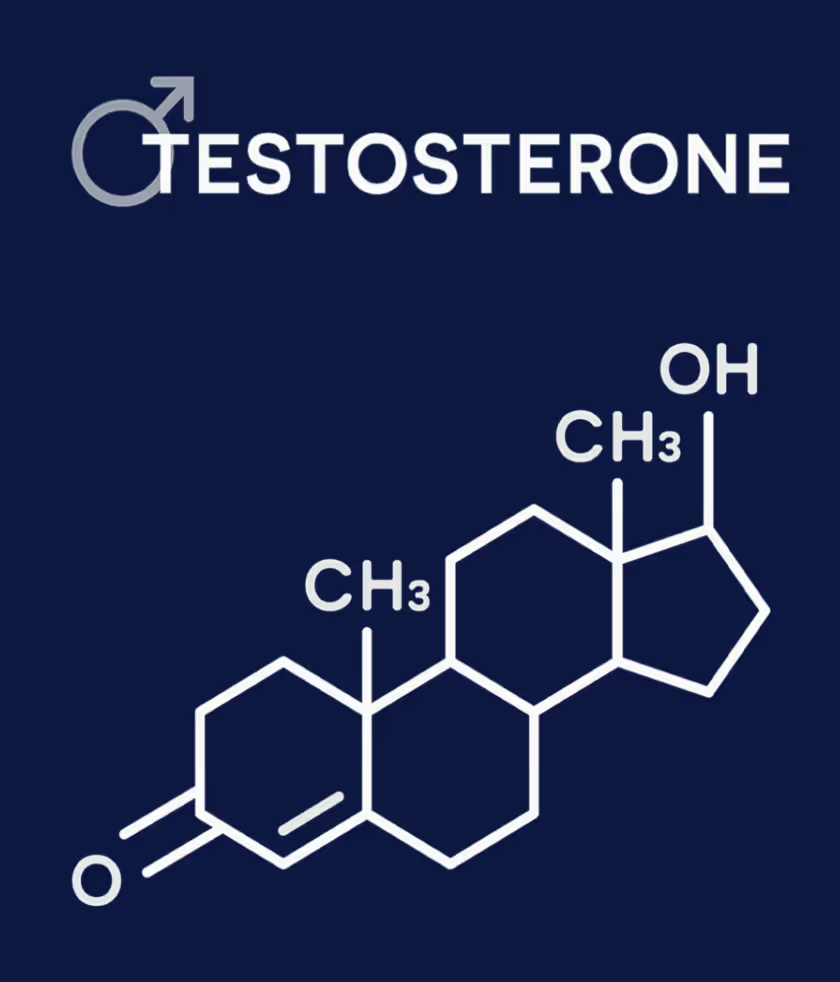
Testosterone Levels: What Is The Ideal Number?

Does Metformin Lower or Increase Testosterone?

Imported item 60
TRT Options: Should I Use an Injection, Cream, or Pellets?

DHT Hair Loss: Do You Actually Lose Hair Taking Testosterone?
Testosterone Therapy Timeline: What Should You Expect?
Pregnenolone For Men | Side Effects, Results, & Where to Find It

Hormone Belly | How To Treat It Effectively & For Good!

How Long Does It Take Testosterone Replacement Therapy (TRT) To Work?

Legal Muscle: Exploring the World of Performance Enhancement with Attorney Rick Collins

Testosterone Myths and Misconceptions; BUSTED PART 2

Testosterone Boosters - Boost or Bust

Testosterone Myths and Misconceptions; BUSTED PART 3

Testosterone Myths and Misconceptions; BUSTED PART 1

Testosterone Cream for Men: Is It Better Than Injections?

Testosterone and the Everyday Athlete