Testosterone Levels: What Is The Ideal Number?
Jump to
Keeping your testosterone levels in check is essential for peak performance and health. This powerhouse hormone fuels your energy, builds muscle, keeps your mood in check, and drives your libido. But what’s the ideal number? And how do you know if your testosterone levels are where they should be?
Today, our men’s health experts are sharing everything you need to know about testosterone levels. If you’re experiencing symptoms of abnormal testosterone, reach out for a consultation to determine if treatment is right for you.
What is Testosterone?
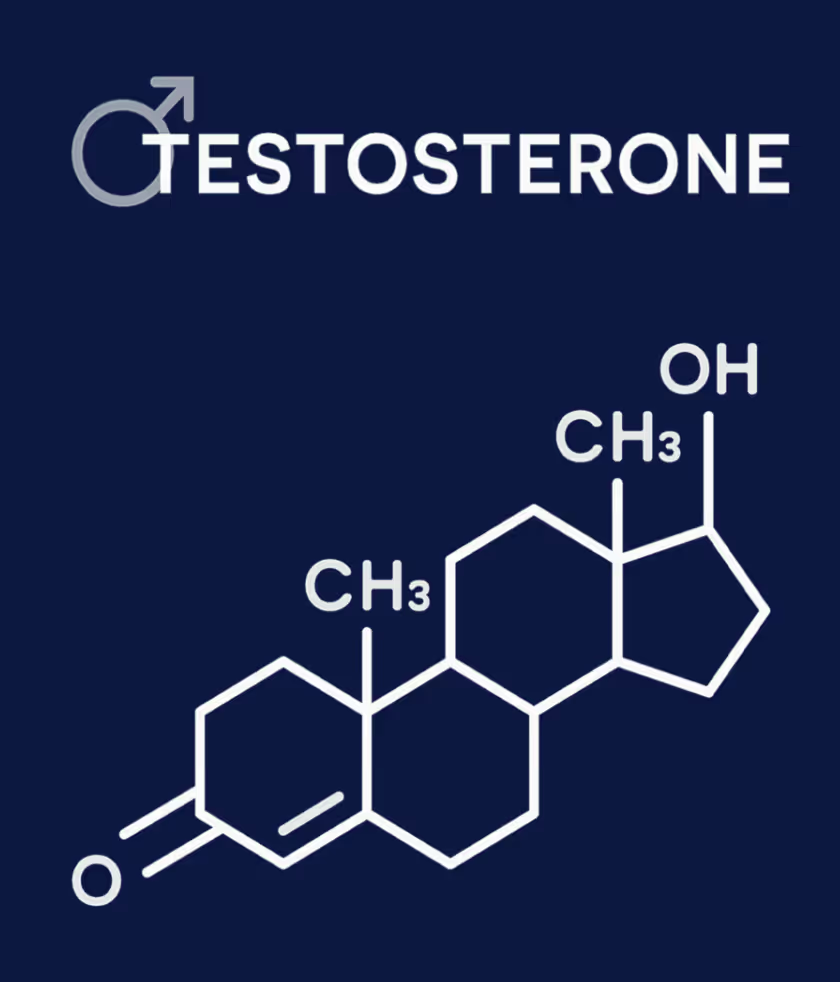
Testosterone is a type of androgen predominantly produced in the testes in men. Though women produce lower amounts of testosterone, it’s essential for females as well. It's the primary male sex hormone and plays a critical role in developing male reproductive tissues, promoting secondary sexual characteristics, and maintaining overall health.
Roles of Testosterone in the Body
- Development of Male Characteristics: During puberty, testosterone and its metabolite DHT, drive the development of many male characteristics. This includes increased muscle and bone mass, the growth of body hair, and the deepening of the voice.
- Muscle Mass and Strength: Testosterone supports muscle growth and maintenance, making it essential for physical performance and body composition. Adequate muscle supports healthy aging and longevity and correlates with improved cognition as we age.
- Bone Density: It helps maintain bone density, reducing the risk of fractures and osteoporosis.
- Sexual Function: Testosterone is a key component of maintaining a healthy libido, erectile function, and sperm production.
- Mood and Energy: Adequate testosterone levels contribute to your overall well-being, energy levels, and mental health.
What is the ideal testosterone number for men?
When it comes to testosterone levels, it’s easy to get caught up in the numbers. The real question should be, “How do I feel, and how does this relate to my testosterone levels?” While lab reference ranges suggest that anything below 300 ng/dL indicates low testosterone, it's not that straightforward. Symptoms of low testosterone can vary widely among men, and so can the levels at which they experience relief with treatment.
Testosterone levels have dropped significantly over the past few decades. What was considered low a few years ago (around 400 ng/dL) is now seen as adequate, and levels once seen as normal (up to 1500 ng/dL) are now labeled as "supraphysiologic." Plus, the lab ranges (240-950 ng/dL) don’t differentiate between a 70-year-old and a 25-year-old.
This means two men with the same level might not both qualify for treatment, even if they both have symptoms.
It's also important to consider free testosterone, which is the active form that your body can use. Free testosterone is unbound and available in your bloodstream, unlike total testosterone, which includes both bound and unbound testosterone. Many men feel their best when their total testosterone is at the upper end of the range (800-1100 ng/dL) and their free testosterone is at least 2% of their total testosterone.
When you’re on testosterone therapy, your levels can fluctuate based on your dosing schedule, so the timing of your lab draws is crucial. At the end of the day, every man is different. There’s no one-size-fits-all number. The goal is to treat your symptoms and improve your quality of life, not just hit a specific lab value.
At Victory Men's Health, we believe in treating you as an individual. Let’s focus on how you feel and tailor your testosterone therapy to meet your unique needs. For more on testosterone level misconceptions, tune into our recent podcast episode with Dr. Keith Nichols on Spotify or Apple.
https://www.youtube.com/watch?v=-Ml1P3kdChw
Factors Contributing to Abnormal Testosterone Levels
- Age: Testosterone levels naturally decline with age, typically starting around age 30. However, we are seeing young men have much lower starting levels as well.
- Lifestyle: Smoking, drug use, poor sleep, poor diet, lack of exercise, obesity, and stress can impact testosterone production.
- Medical Conditions: Conditions such as diabetes, obesity, sleep apnea, cancer resulting in chemotherapy and radiation, and testicular trauma may lower testosterone. You should also consider rare conditions like a pituitary tumor or a blood disorder called hereditary hemochromatosis.
- Medications: Certain medications, especially those obtained without a prescription for performance enhancement, can affect hormone levels and disrupt your natural production. Additionally, some common prescription medications such as finasteride or Propecia can negatively impact androgens as well.
- Environmental: Endocrine-disrupting compounds in our environment from pesticides, chemicals in plastics, and additives in self-care products (just to name a few) have been linked to hormone disruption in both men and women.
How do I know if I have high testosterone levels?
Have you been feeling more irritable lately, or noticed your skin acting up with more acne than usual? If that’s the case, you might be dealing with high testosterone levels or a hormonal imbalance. We often hear about the issues caused by low testosterone, but having too much of this hormone can also lead to some unexpected challenges.
It’s worth noting that we very rarely see any cases of testosterone levels being too high, but it’s still a possibility so you should be informed about it.
Medical providers see this with the illicit use of testosterone and other performance-enhancing medications or even if prescribed and not well-adjusted by an experienced provider. Contaminated over-the-counter supplements for exercise, sexual performance, or “T-boosters” can also disrupt the endocrine system, sometimes with long-lasting consequences on your own production.
Everyone always thinks more is better, but there is a perfect amount for everyone.
If you’re on testosterone therapy and experience these symptoms, it’s typically due to the ‘peak and trough’ effect. This means you have higher levels at one point and significantly lower levels at another point due to the medication metabolizing. More frequent dosing (for example, if taking injections once per week, changing to half the dose twice per week) typically alleviates these side effects.
It's not just about mood swings or changes in your skin—high testosterone can impact various aspects of your life, from your physical appearance to your behavior. Here are some symptoms of elevated testosterone levels:
- Aggression and Irritability: Hormone imbalances can lead to mood swings and aggressive behavior or just not feeling great.
- Acne and Oily Skin: Excess testosterone stimulates oil production, leading to skin issues.
- Fluid Retention: Swelling in the legs or other parts of the body can occur, especially if you’re inactive or have a poor diet.
- Hair Loss: High testosterone can accelerate male pattern baldness in those predisposed to it.
How do I know if I have low testosterone levels?
If you constantly feel tired, struggle to enjoy activities you used to love, or are having trouble with your libido, these could be signs that your testosterone levels are lower than they should be. Low testosterone is a common issue, especially as men age, but that doesn't make it any less frustrating or concerning.
The symptoms can creep up slowly, making it hard to pinpoint exactly what's wrong. Understanding the symptoms of low testosterone can help you recognize when something is off and take steps to address it. Common symptoms include:
- Reduced Libido: A drop in sexual desire is often the first noticeable symptom.
- Erectile Dysfunction: Difficulty achieving or maintaining an erection can be a sign of low testosterone.
- Fatigue: Persistent tiredness despite adequate rest can indicate low hormone levels.
- Depression and Mood Changes: Low testosterone can lead to mood swings, depression, anxiety, and irritability.
- Decreased Muscle Mass: Reduced testosterone levels can lead to loss of muscle strength and mass.
- Increased Body Fat: Low testosterone can contribute to weight gain, especially around the abdomen, which then can result in blood sugar dysregulation and other metabolic diseases.
How to Check Testosterone Levels
If you're experiencing symptoms that suggest your testosterone levels might be out of balance, you should get them checked. This can feel like a big step, but knowing your hormone levels is crucial for taking control of your health.
Getting tested for testosterone levels is straightforward, and there are a few different methods that healthcare providers use, including:
- Blood Test: The most accurate testing method is through serum blood. Total and free testosterone levels, along with LH and FSH levels, are necessary. At Victory Men’s Health, we test quite a few hormones along with other nutrient and metabolic labs to get a full clinical picture.
- Symptom Assessment: Along with tests, a healthcare provider will assess symptoms and medical history to determine if you need further investigation.
How do I treat abnormal testosterone levels?
Experiencing signs and symptoms of testosterone deficiency can be frustrating, but there are effective treatments available to help you get back on track. At Victory Men’s Health, we understand that everyone's situation is unique, and our personalized treatment plans are designed to suit your specific needs and health goals.
Whether you're dealing with the physical and emotional toll of low testosterone or the challenges of other hormonal imbalances, there are solutions that can make a huge difference. While positive lifestyle changes such as improving your diet, reducing stress, treating sleep disorders, and adding a healthy exercise regimen have been shown to somewhat improve hormone levels in men and should be addressed, there are a few additional treatment options you can explore alongside lifestyle improvements.
For Low Testosterone
- Testosterone Replacement Therapy (TRT): In our clinics, we help men supplement their testosterone through injections, compounded testosterone cream, and pellets. We also offer an oral medication called clomiphene citrate, which is not TRT, but aims to improve a person’s natural testosterone production.
FAQ: Testosterone Levels
What causes testosterone levels to drop?
Testosterone levels naturally decline with age, starting around age 30.
However, other factors like poor diet, lack of exercise, obesity, chronic stress, and certain medical conditions (like hypogonadism and diabetes) can also contribute to lower testosterone levels.
This is something we evaluate during your initial assessment to ensure we’re addressing and working to solve the root of the problem.
Can high testosterone levels be harmful?
Yes, having excessively high testosterone levels can lead to several issues. Symptoms of high testosterone include mood swings, acne, oily skin, fluid retention, and hair loss in those predisposed to it.
It's crucial to be monitored by an expert and maintain balanced levels and to avoid these negative effects—and we’re here to help.
How often should I get my testosterone levels checked?
Great question! If you’re experiencing symptoms of low or high testosterone, we recommend getting your levels checked immediately.
For men undergoing testosterone replacement therapy (TRT), regular monitoring is best. This is what we do for our clients to ensure they are on the correct regime.
Your healthcare provider can give you personalized advice on how frequently you should be tested based on your health needs if it’s just something you’re keeping an eye on.
What should I expect during a testosterone test?
Your healthcare provider will most likely administer your test through serum blood to check total and free testosterone levels, along with LH and FSH levels. The process is quick and relatively painless, and your provider will discuss the results with you and recommend any necessary treatment options.
How quickly can I see results from testosterone replacement therapy (TRT)?
Some men report feeling improvements in energy levels, mood, and libido within a few weeks, while others may take a few months to notice significant changes. Realistic expectations are important. If you have other major health and lifestyle improvements to make in addition to treating your hormones, it may take longer to feel better.
Consistency with treatment and regular follow-ups with your healthcare provider are key to achieving the best outcomes.
Is testosterone replacement therapy safe?
Testosterone replacement therapy is generally considered safe when monitored by a healthcare professional, but it’s important to have regular check-ups to monitor your hormone levels and assess any potential side effects. Your healthcare provider will work with you to ensure your treatment plan is safe and effective.
Next Steps With Victory Men’s Health
Maintaining optimal testosterone levels is crucial for your overall health and well-being. If you're experiencing symptoms of low or high testosterone, it's time to get tested by a men’s health specialist. At Victory Men's Health, we specialize in personalized treatment plans to help you achieve and maintain healthy testosterone levels.
Schedule a consultation and take the first step towards reclaiming your health and vitality. Our experts are here to support you on your journey to optimal hormone health. Don’t let imbalanced testosterone levels hold you back—contact us now to get started.

Related Resources

What Big Pharma Companies Don’t Want You To Know About TRT
Why Most Testosterone Gels Don’t Work (& What Makes Transcrotal Cream Different)

FDA Testosterone Panel: Are We Finally Done With Fear-Based TRT Policy?

Oral Testosterone: How Kyzatrex Compares to Injections and Gels

HCG on TRT for Fertility: The Key to Keeping Your Options Open

Can Low Testosterone Cause Hair Loss? Here’s What to Know

TRT Risk 101: The Trouble With Using TRT as a Shortcut

12 Foods That Increase Testosterone Naturally

You Don’t Need an Aromatase Inhibitor on TRT, Here’s Why

Enclomiphene for Low Testosterone: Does It Work?

Should You Supplement with DHEA? Here’s What to Know

Zinc Benefits for Men: Testosterone, Prostate Health & More
Free vs. Total Testosterone: What to Know & Why It Matters

When to Take Magnesium Glycinate for the Best Results
At Home Testosterone Tests: Do They Really Work?

Low Testosterone Levels? Avoid These 4 Bad Habits

Testosterone Boosters for Men: What They Are & What to Know

TRT Clinic Warning Signs (& What to Look For Instead)

Is Your Testosterone Low? Why Most Doctors Aren’t Testing the Right Levels

TRT Side Effects: The Real Cause & How to Fix Them

Dopamine and Testosterone: What’s the Connection?

Testosterone FDA Update: The Truth About TRT & Heart Health

TRT & Fertility: What Our Patients Experience

TRT Dosing: How Much Testosterone Is Too Much?

High Testosterone in Women: What Causes It?

Akkermansia for Gut Health: Skip or Try?
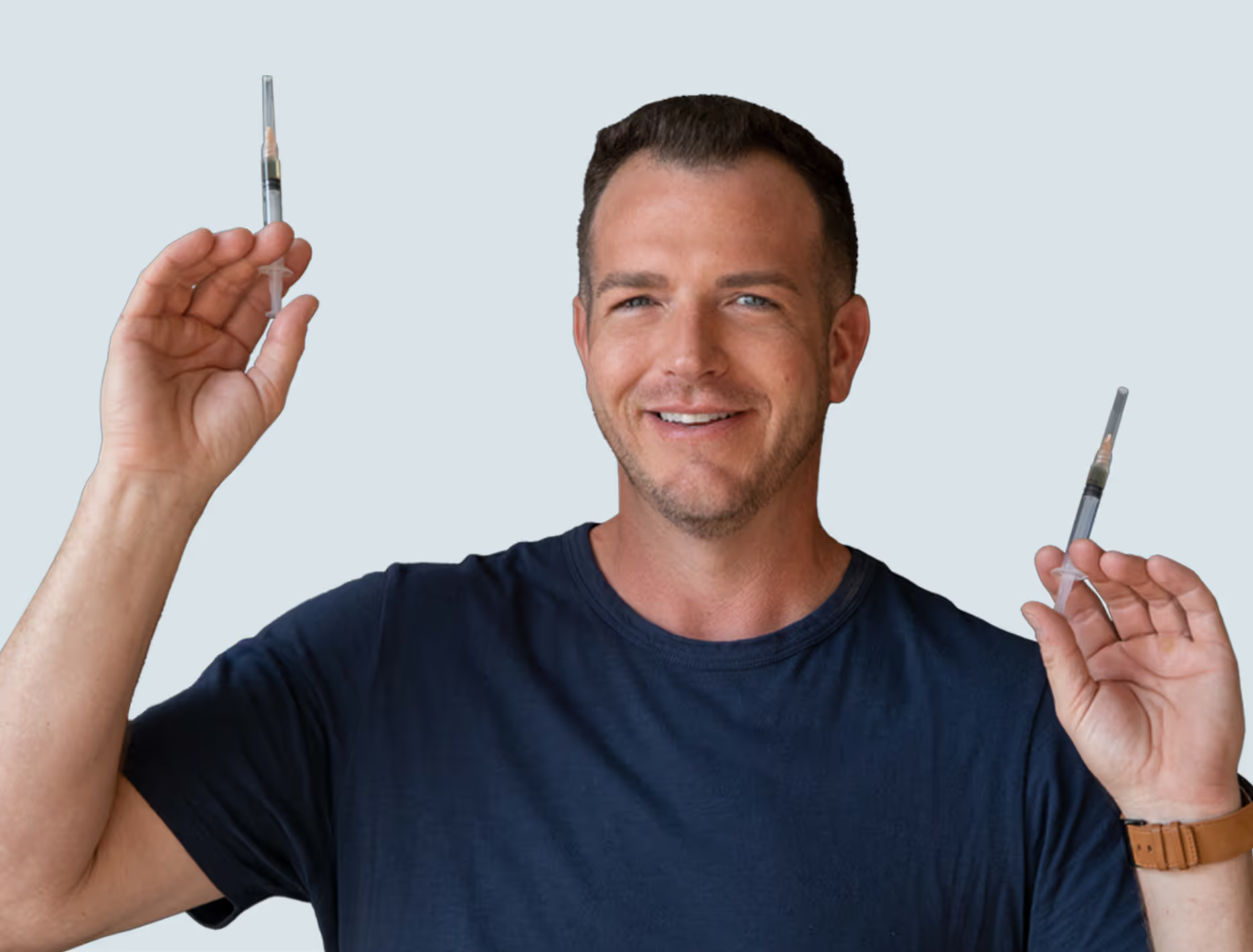
Need-To-Know Supplements for Men on Hormone Therapy
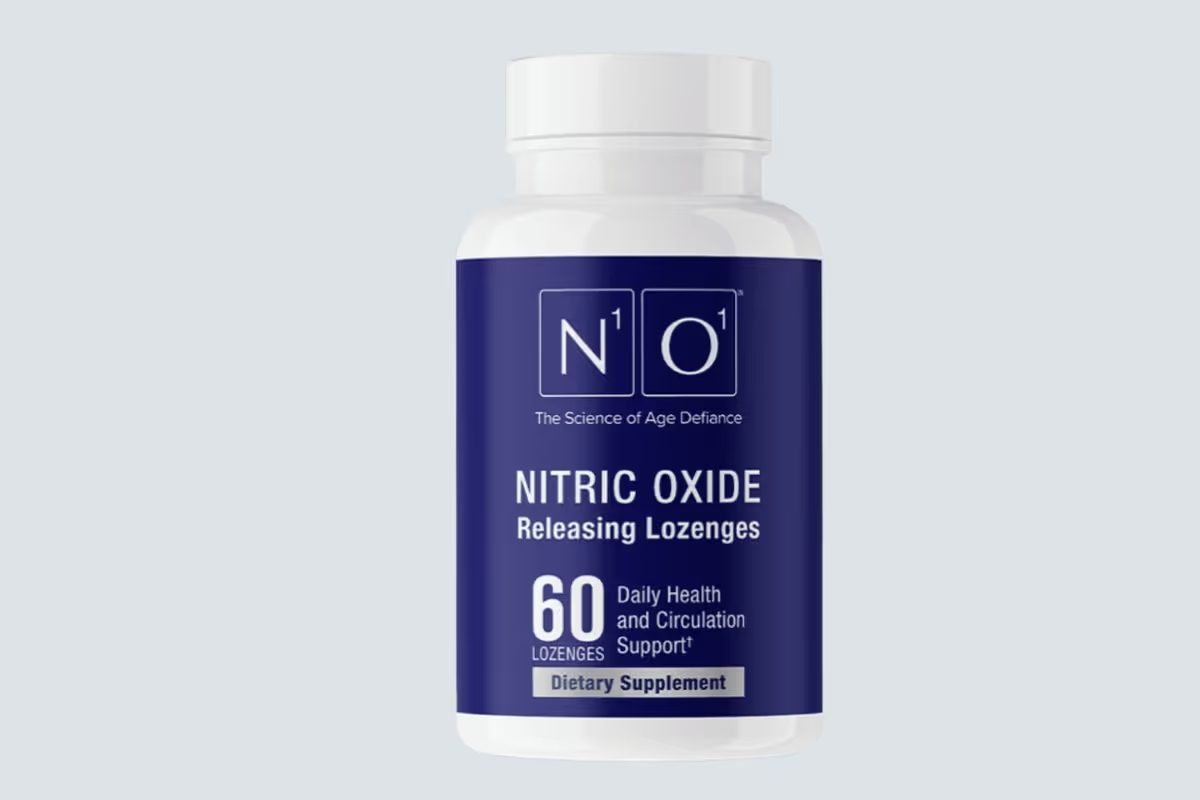
Nitric Oxide and Erections: What’s the Link?

How Much Melatonin Should I Take?

Alcohol and Testosterone Levels: What’s the Link?

How to Boost Testosterone Naturally
The Best Peptides for Fat Loss | Results Our Clients See
Do Penis Enlargement Pills Actually Work?

How to Inject Testosterone

Is Edging Bad For Testosterone?
Do Antidepressants Lower Testosterone Levels?

Does Metformin Lower or Increase Testosterone?

Imported item 60
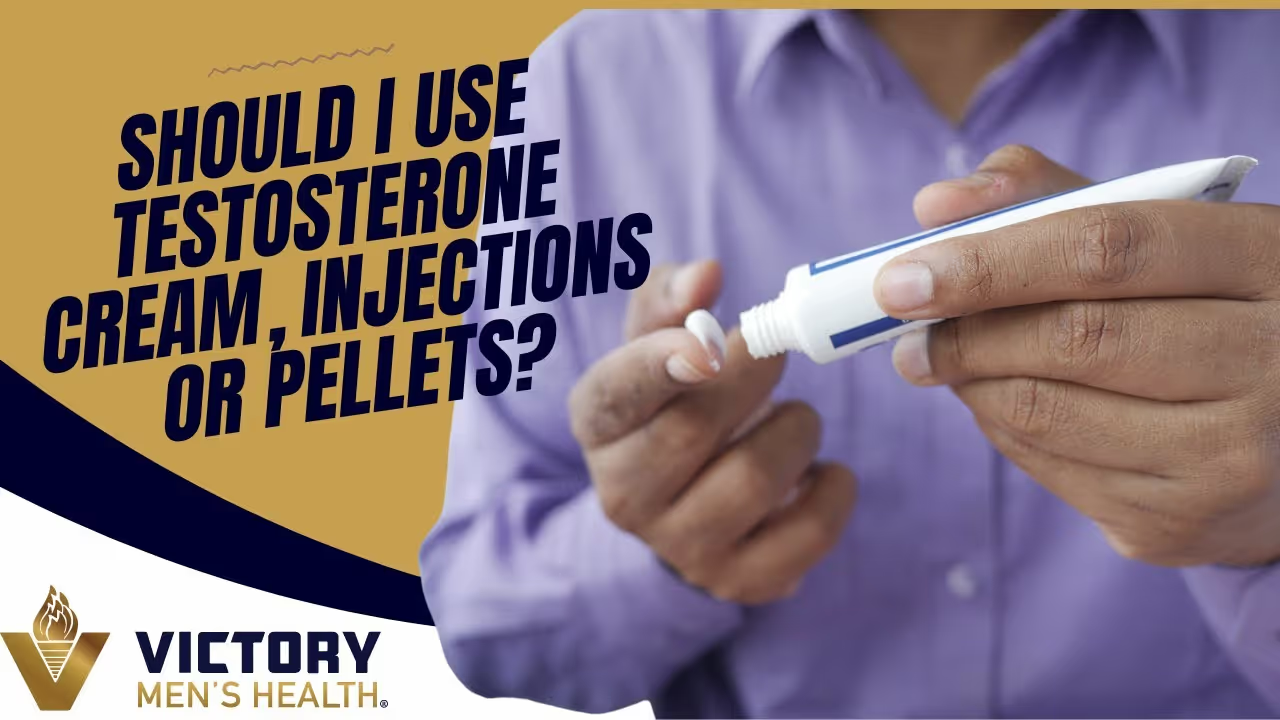
TRT Options: Should I Use an Injection, Cream, or Pellets?

DHT Hair Loss: Do You Actually Lose Hair Taking Testosterone?
Testosterone Therapy Timeline: What Should You Expect?

Pregnenolone For Men | Side Effects, Results, & Where to Find It

Hormone Belly | How To Treat It Effectively & For Good!

How Long Does It Take Testosterone Replacement Therapy (TRT) To Work?

Legal Muscle: Exploring the World of Performance Enhancement with Attorney Rick Collins

Testosterone Myths and Misconceptions; BUSTED PART 2

Testosterone Boosters - Boost or Bust

Testosterone Myths and Misconceptions; BUSTED PART 3

Testosterone Myths and Misconceptions; BUSTED PART 1

Testosterone Cream for Men: Is It Better Than Injections?

Testosterone and the Everyday Athlete