Why You Should Reconsider Using PPI Drugs Long-Term

Jump to
When heartburn or acid reflux flares up, it’s tempting to reach for a quick fix to make it go away. Proton Pump Inhibitors (PPIs) are among the most commonly used meds for handling these issues. But did you know that using PPI drugs long-term can lead to serious health issues?
On a recent episode of the Women Want Strong Men podcast, we sat down with Dr. Katie Rybak to recap the key takeaways from the 2024 WorldLink 9th Annual Academic Summit. One of the topics we explored was the dangers of long-term PPI use.
Today, we’re covering everything you need to know about PPI drugs, the risks they bring, and healthier ways to manage acid reflux. Check out the full episode below, then keep reading!
https://open.spotify.com/episode/7JEIZmY4OBGjdNKs67YFbA?si=o1lAv_QVQG2fHDwzCCvxig
What Are PPI Drugs?
To understand PPIs, let’s start with the basics: PPIs, or Proton Pump Inhibitors, are drugs designed to reduce the production of stomach acid.
They work by blocking the enzyme responsible for acid secretion in the stomach, which can help with conditions like acid reflux, GERD, and peptic ulcers. Common PPI brand names you might recognize include:
- Omeprazole (Prilosec)
- Lansoprazole (Prevacid)
- Esomeprazole (Nexium)
These over-the-counter medications were created for short-term relief, targeting immediate symptoms and giving some breathing room to heal inflammation in the esophagus and stomach. Over time, many people have started using them as a daily fix, without realizing the risks that come with long-term dependency.
Short-Term vs. Long-Term Use
PPIs were designed for short-term use—typically for a period of two to eight weeks, depending on the condition being treated. They can be highly effective in reducing symptoms of acid-related issues and providing relief.
However, because PPIs are so accessible, many people start using them regularly without guidance, leading to long-term dependency. When we spoke with Dr. Rybak, we discussed that relying on PPIs can mask underlying issues instead of addressing the root cause.
Rather than being the first line of treatment for ongoing acid reflux or GERD, lifestyle and dietary changes can often play a significant role in managing these conditions. Long-term PPI use can bring about various risks—which we’ll get into in the next section.
What Are the Risks of Long-Term PPI Use?
While PPIs can offer short-term relief, extended use can lead to health concerns. Here are some key risks associated with prolonged PPI use:
- Reduced Nitric Oxide Production
- Risk of Chronic Conditions
- Bone Health Concerns
Reduced Nitric Oxide Production
Nitric oxide is a key molecule for cardiovascular health and immune function, and works by helping to reduce inflammation and lower the risk of certain cancers. PPIs can disrupt this production, increasing inflammation, impacting heart health (specifically, blood pressure), and even elevating cancer risk.
Risk of Chronic Conditions
Ongoing PPI use has been linked to an increased risk of conditions like diabetes, dementia, and kidney disease. For example, studies have shown that PPIs can raise the risk of chronic kidney disease due to changes in our bodily processes.
Bone Health Concerns
PPIs can mess with calcium absorption, which is essential for bone health. Over time, this can lead to reduced bone density, increasing the risk of fractures and osteoporosis—especially for long-term users.
PPI Drugs and Nitric Oxide: What’s the Connection?
Above, we mentioned that prolonged PPI use can impact nitric oxide (NO) production. Many people don’t talk about this, or even really understand what it means, but it’s a big deal. NO plays a vital role in keeping our blood vessels healthy, supporting immune response, and reducing inflammation.
Long-term PPI use can significantly hinder the body’s ability to produce NO, which has a ripple effect on many of these functions. As nitric oxide levels drop, you can start to see issues like increased blood pressure, inflammation, and a heightened risk for heart disease.
This is especially concerning if you’re taking PPIs daily without a plan to transition off. According to Dr. Nathan Bryan, a nitric oxide researcher, PPI users can experience a chain reaction, with lower nitric oxide levels impacting their heart health, immune function, and even cancer risk.
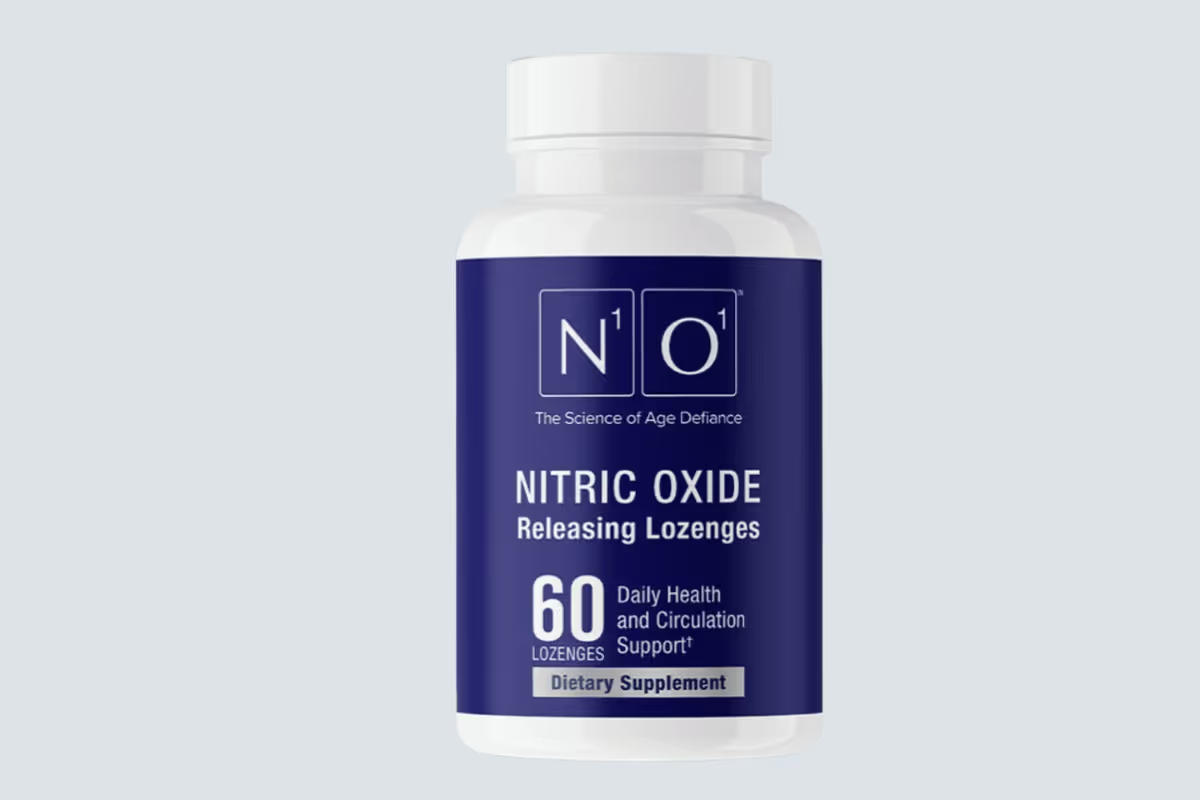
If you’re struggling with reduced nitric oxide production, you may want to explore options designed to promote enhanced vasodilation. We recommend Nitric Oxide Releasing Lozenges, a high-quality supplement that’s both safe and effective for individuals with low nitric oxide production.
What Can I Use Instead of PPI Drugs?
If you’re looking for ways to handle acid reflux without the negative effects of long-term PPI use, here are some effective alternatives to try:
- Dietary Changes – Avoid common triggers like spicy foods, caffeine, and high-fat meals. Also, consider eating smaller meals, chewing slowly, and avoiding food before bedtime.
- Lifestyle Modifications – Simple adjustments like elevating the head of your bed, maintaining a healthy weight or losing weight, and quitting smoking and alcohol can make a big difference in reducing reflux. Our advanced testing options can also help you eliminate any food sensitivities that may be associated with your digestive issues.
- Natural Supplements – Supplements like zinc and L-carnosine can help repair the stomach lining and ease inflammation. L-carnosine, in particular, has been shown to help with acid-related issues.
- Safer Meds for Occasional Use – If you need occasional relief, try Pepcid (famotidine), which works differently than PPIs and has a lower risk of long-term effects. Rather than a daily fix, only use it when your symptoms flare.
How Can I Safely Taper Off PPI Drugs?
If you’ve been using PPI drugs for a while, stopping cold turkey could lead to what’s known as rebound acid hypersecretion. This is where your symptoms come back even stronger. Here’s a safer way to taper off:
- Consult a Professional. Talk with your healthcare provider first. They can guide you through a personalized tapering plan to safely ease off the medication.
- Reduce Gradually. Start by lowering your dose and spacing out how often you take it. For example, if you take it daily, try switching to every other day.
- Make Dietary Adjustments. Support your digestive health by reducing trigger foods, eating smaller portions, and adding gut-friendly options.
- Use Safer Alternatives as Needed. If you feel occasional heartburn during the transition, try taking Pepcid for relief when symptoms arise.
- Monitor Symptoms. Pay close attention to how your body responds and work with your healthcare provider to make adjustments if necessary.
Begin the Journey to Long-Term Health and Well-Being
Long-term PPI drug use can have lasting impacts on your health, like increasing inflammation and heart disease risk. By taking a tailored approach, you can address acid reflux without all the downsides. If you’re ready to explore a safer, more effective approach to managing your health, our team is here to help.
At Victory Men’s Health, we create personalized treatment plans that work for your unique needs and goals. Whether you’re looking for help with gut health, hormone imbalance, ED, or another concern, we’ll work with you to come up with a long-term solution.
Contact us today to book a consultation and begin your journey to better health.

Related Resources

Research Use Only Peptides: Why the FDA Is Ending the RUO Era

TB006 for Alzheimer’s: What We Know So Far About This Galectin-3 Therapy

Do I Need Liver Supplements? Here’s What to Know

How to Increase Sperm Count: 7 Ways to Boost Male Fertility

Best Nitric Oxide Foods for Better Blood Flow & Sexual Health

Thyroid Problems in Men: Symptoms to Watch For & What to Do

Vitamin B12: How Much Per Day Should You Take?

Iron Deficiency Symptoms to Watch For

Magnesium Glycinate vs. Magnesium Citrate: Which is Better?

Vitamin D3 and K2: Why You Should Take Them Together
Prebiotic vs. Probiotic Supplements for Gut Health: What’s the Difference?

Do Supplements for Muscle Building Work? What We Tell Our Patients

Insulin Resistance Symptoms (& How To Fix It)

What Is Carrageenan and Is It Dangerous?

Creatine Benefits for Men (Beyond Muscle Growth)

Melatonin for Sleeping: Why it’s Not Working & How to Fix It

Male Birth Control: What to Know About ‘The Pill’ for Men

Prostate Cancer Symptoms: What Joe Biden’s Diagnosis Means for Men Over 40

What is PEMF Therapy? Everything You Need to Know

Brain Peptides: Can They Actually Boost Cognitive Function?

TMG Supplements: Why Biohackers Can’t Get Enough

MTHFR Gene Mutation Symptoms: What Your Lab Work Isn't Telling You

The Best Health Screenings for Men (& When to Get Them)
Methylated Multivitamins: Should You Make the Switch?

Hydrogen Water: What to Know About the Biohack Gary Brecka Swears By

Telomere Testing: Can You Reverse Your Biological Age?

Men & Progesterone: Why You Should Avoid This Hormone Like the Plague
The Best Anti-Aging Supplements For Men

NAD: Side Effects & Benefits No One Is Talking About

Can Hormone Replacement Therapy Increase Cancer Risk?

Sperm Testing for Men: What to Know & Where to Go
Hormone Replacement Therapy for Men vs. Women

Low Progesterone Symptoms in Women (& What To Do About It)

Tirzepatide for Weight Loss: How Does It Work?

PT-141 for Men: Is it Better Than Viagra?
Coconut Oil as Lube: Here’s Why You Should Avoid It

Are Peptides FDA-approved?

Statins vs. Estradiol: Which is Better for Heart Health?

Post-Finasteride Syndrome: What You Need to Know

Can Lack of Sleep Lower Testosterone?

Methylation Testing 101: Is it the Key to Healthy Aging?

Red Light Therapy for Pain Relief

What Are Food Sensitivity Tests and How Do They Work?

Insulin Resistance & PCOS Symptoms: The Labs You Should Request with Angie Nichols
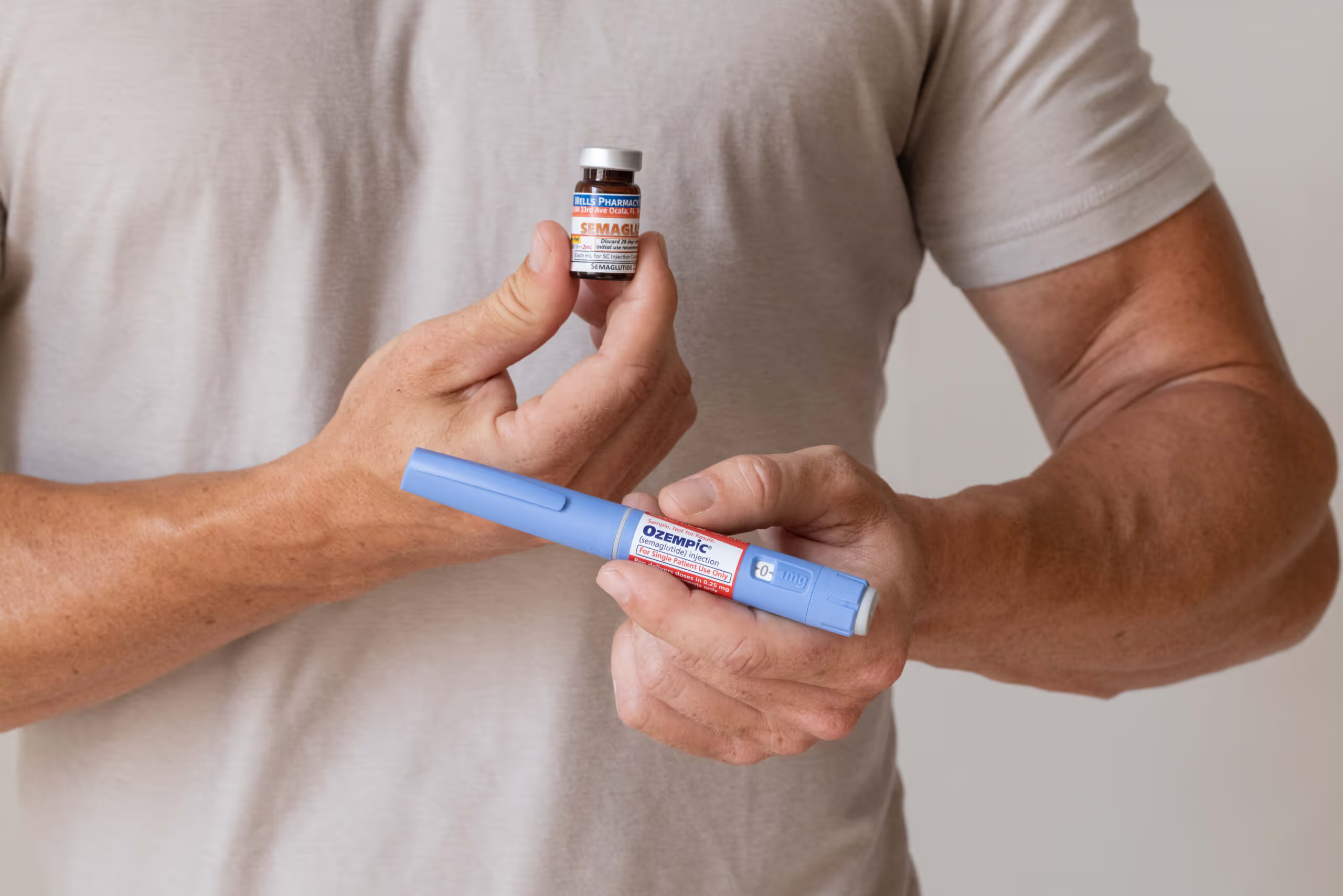
How to Make Semaglutide Work Better & Faster

Creatine For Women: Here’s What To Know
6 Symptoms of Low Nitric Oxide | Symptoms To Watch For
“Am I At Risk For A Heart Attack?!” How We Screen Patients in 2024

How to Last Longer in Bed: 10 Proven Tips from Men's Health Experts

Ketamine Therapy: Are The Side Effects Worth It?

Micronutrient Testing: What Your Results Actually Mean

What is Sermorelin? Let's Talk Risks & Benefits for Men

Does A Myer's Cocktail Actually Work? Here's What We've Seen.

Male Fertility Tests | What's Next For Male Fertility?
Is A Healthy Gut the Key to Weight and Blood Sugar Control?
Is A Healthy Gut the Key to Weight and Blood Sugar Control?
Can You Actually Lower Your Cortisol Levels? | What We Know (& What To Take)

Light: The missing piece of the wellness puzzle

You Don't Need To Be Sick To Get An IV!
Endocrine Disruptors: The Frightening Truth

Nitric Oxide for Men’s Health: Insights from Dr. Nathan Bryan & Amy Stuttle

Micronutrient Testing: What You Should Know

What Is BPH? Understanding Enlarged Prostate & How to Fix It

Sex on a Screen: Free Adult Entertainment Comes with a Cost

You Are What You Eat & You Will Want to Eat More of this Fat!

Glutathione Benefits for Men: The Antioxidant You’re Probably Missing

How to Sleep Better: 7 Strategies for Deeper Sleep

Supplements for Men’s Health: Medical-Grade vs. Over-the-Counter

Why You Should Worry About The Fat You Can't See

Nitric Oxide Benefits for Men: Boost Energy, Circulation, & Sexual Health

What is the Difference Between Lean Body Mass and Muscle Mass?

Cortisol Levels Explained: How to Lower Cortisol for Better Health

Vitamin D for Men: Are You Getting Enough of the Sunshine Vitamin?

Understanding Human Chorionic Gonadotropin (HCG)

Sermorelin Therapy: A Smarter Approach to HGH Restoration

Tony La Russa Endorses Local Business Victory Men's Health